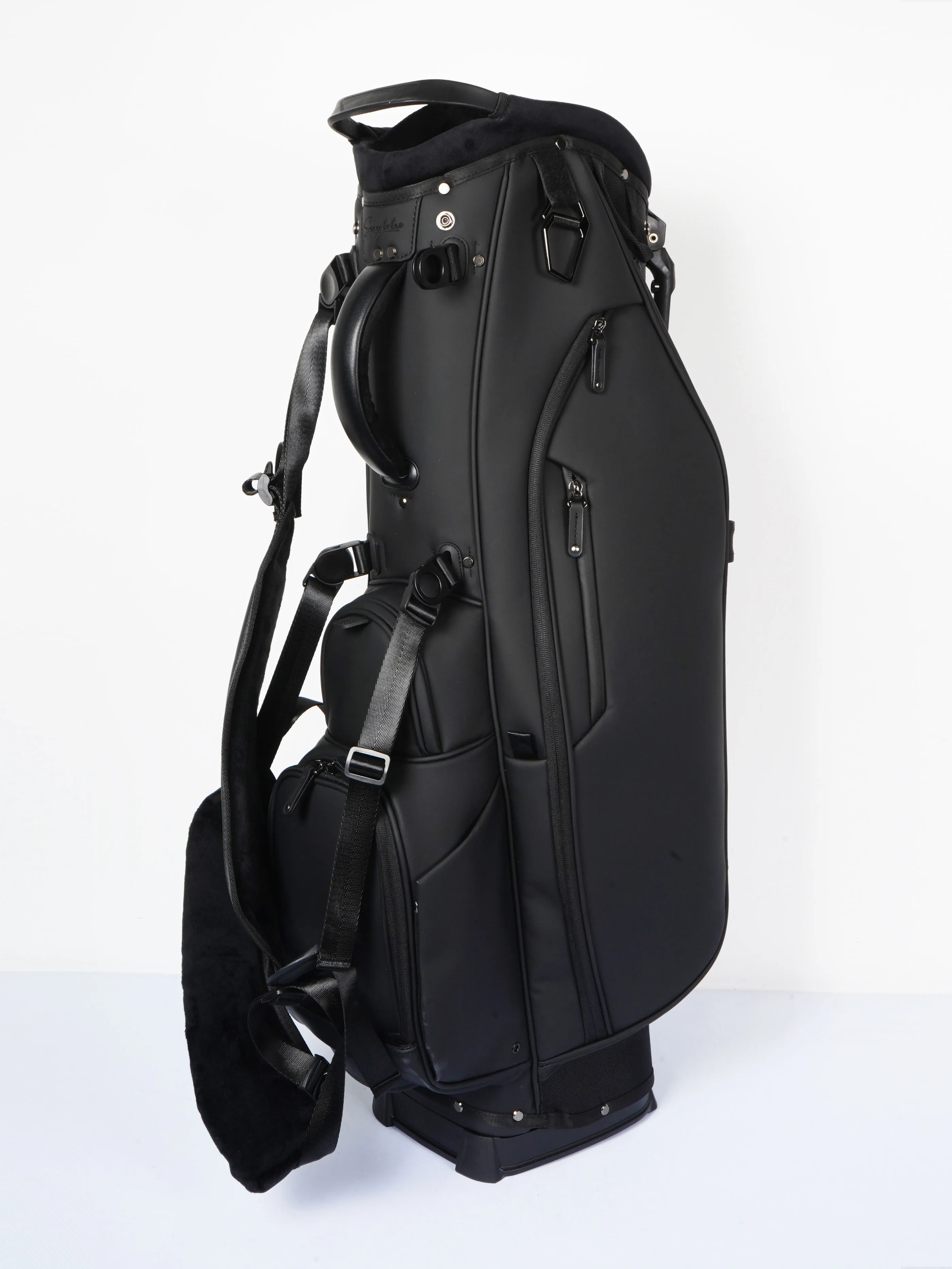
Branding zipper pullers and hardware is one of the lowest-cost ways to add a premium touch to a custom golf stand bag — a debossed or laser-etched logo on an existing pull can add only a few cents per unit, while a fully custom molded metal pull stays modest at volume, and at our affiliated Quanzhou facility even a 200-piece MOQ (100 for a test order) amortizes the tooling across the run. This B2B guide breaks down the hardware branding options we engineer at the SGS-verified plant (4,950 sqm, 7 lines, 149 machines, 137 staff), the cost and durability trade-offs, and how buyers of QUANZHOU JUNYUAN BAGS keep the upgrade affordable. For brands that want a fully customized silhouette — structure, dividers, pockets and hardware — our custom golf bag factory team specializes in OEM/ODM programs.
Key Takeaways
- A debossed or laser-etched pull adds only a few cents per unit
- Concentrate branding on one hero pull, color-band the rest to control cost
- Molded metal and reinforced plastic pulls are the durable choices
- Hardware must match the slider and zipper-tape spec to keep function
- Tooling is amortized and reused on reorders, protecting the budget
Why hardware branding is the smartest small touch
Most buyers spend their branding budget on the hero logo and forget the hardware, but the hardware is what the customer touches and photographs closest. A zipper pull with your mark, a color-matched slider, or a debossed closure plate reads as genuine craft — the kind of detail golfers notice and retailers point out. And unlike a large embroidered logo, hardware branding is cheap, precise, and adds almost nothing to weight.
The cost profile is what makes it attractive. Debossing or laser-etching a logo into an existing pull is a finishing step measured in cents per unit, not the 3-5% a full embroidered hero costs. A fully custom molded pull carries tooling that is amortized across the run and reused on reorders, so the per-unit premium falls as volume grows. This is the rare branding touch that feels premium without a premium price tag.
Hardware also carries your name into zones where fabric logos cannot go. A branded pull on a valuables pocket, a color-banded strap buckle, or a debossed magnet closure is visible whenever the bag is handled. Because hardware is a component rather than a print, it does not fade, peel, or pierce sealed waterproof panels, which makes it a safe branding method on a waterproof stand bag architecture.
The return on that small spend compounds across every interaction with the bag. A golfer opens the valuables pocket a dozen times a round, each time touching the branded pull; a pro-shop retailer photographs that pocket detail for the catalog; a gift recipient notices the finish at unboxing and again on the first round. Hardware branding multiplies the number of brand touches a single bag generates, which is why it earns its place in a considered spec even though it is a small line item.
The hardware branding options available
There are several tiers of hardware branding, each with its own cost and look. Debossing presses the logo into a metal or plastic pull — the cheapest and most subtle route. Laser etching adds fine detail to metal, ideal for small text or a monogram. A color-matched slider or pull, produced in your brand's Pantone, is a low-tooling way to carry the palette into the hardware without a molded logo.
The premium tier is a fully custom molded pull or closure plate — a metal or reinforced-plastic component cast with your logo in relief. This is the highest-cost option and carries a tooling fee, but it delivers the most distinctive, premium lockup and is the classic signature of a top-tier retail line. Because the mold is reused, a second season's reorder pays only the per-unit component cost.
A hybrid strategy manages spend: brand one hero pull per bag, usually on the largest or most visible pocket, and keep the other pulls standard or color-banded. This concentrates the branded hardware where it photographs and is handled, while the rest of the bag stays economical. Most of our buyers use this tiered approach and get the premium feel without branding every single zipper.
Cost drivers and how to keep them down
The main hardware cost drivers are material (plastic vs. metal), tooling (deboss vs. custom mold), and color. Metal with a custom relief mold costs the most; a debossed plastic or an etched metal pull on an existing shape costs a fraction of that. At a 200-piece MOQ, tooling that might look large in absolute terms becomes small per unit, and on reorders it disappears entirely.
Keep the scope tight on the first run. Choose one hero pull style and one closure detail rather than branding every pocket and buckle. Standardize the rest with color-matched pulls, which read as part of the palette without a per-piece emboss cost. This is the same discipline we apply across our stand bag architectures, where a considered detail set beats a sprawling custom list.
We also advise buyers to lock the hardware spec on the sample. Exact size, shape, finish, and logo placement on the pull determine both cost and feel, and changing them after bulk risks re-tooling or mismatched parts across the order. Approve a physical pull sample, not a render, so the production hardware matches the promised finish.
Durability: which hardware survives the course
Hardware branding only helps if it survives use. Metal sliders and pulls with a corrosion-resistant finish are the most durable, holding up to rain, sweat, and bag rash; reinforced molded plastic pulls are the durable cost alternative. We oil-coat and color-band hardware and run a smoothness cycle test, so a branded pull does not jam, wear, or lose its mark inside a season.
The two failure risks are abrasion and flexibility. A pull on the stand hinge block or the dual-strap anchors flexes and rubs hardest, so we avoid branded hardware there or reinforce the anchor point. A logo that adds snag risk on the course is the enemy of a clean product, so the pull shape is reviewed for catch points before we lock the spec.
For a program that must last years, we run a corrosion or salt-spray check on metal hardware and a cycle test on slider smoothness. These are the same QC gates we apply on the factory QC line, so the branded component holds up as well as the bag shell it sits on.
Hardware branding specification table
Use this table as the hardware section of your tech pack. Lock each row on the physical pull sample before bulk.
| Parameter | Typical Upper-Mid Spec | Buyer Notes |
|---|---|---|
| Pull material | Reinforced plastic or metal | Metal is most durable; plastic is cost-effective. |
| Branding method | Deboss / laser etch / custom mold | Deboss is cheapest; mold is most distinctive. |
| Scope | 1 hero pull + standard rest | Color-band the rest to control cost. |
| Slider compatibility | Matches zipper tape and slider spec | A wrong pull degrades pocket function. |
| Finish | Corrosion-resistant, color-banded | Metal needs a salt-spray check. |
| Durability target | Smoothness + flex cycle pass | Avoid branded hardware on hinge zones. |
| Tooling | Amortized over MOQ, reused on reorders | Reorders pay only per-unit component cost. |
Matching hardware color and finish to the palette
Hardware should not fight the brand palette. Zipper pulls, sliders, and closure plates are color-banded to the shell and trim so the whole bag reads as one designed system. A black slider on a navy bag or a silver pull against a tonal logo can clash; banding the hardware to the accent color ties the touch points into the identity.
Finish choices extend the range. A matte black pull suits a modern athletic line, a brushed metal pairs with a premium leather-trim build, and a tonal pull on gunmetal keeps the hardware quiet. Each finish changes the perceived price of the bag, so the finish should be chosen with the target segment, not as an afterthought.
We recommend a small trim-down sample — actual hardware swatches beside the shell — before committing, so the buyer sees the finish in context. This is the same physical-chip discipline used for fabric color and it prevents the "it looked different on the photo" gap. Locking the finish on the sample avoids a mismatch that would otherwise surface at the first article.
Branding without overcost: the tiered approach
The way to brand hardware without overcost is to tier it. Put the full branded push — a molded or etched hero pull — on the one pocket that photographs front and center or the primary access. Then use color-band standard pulls everywhere else, and reserve one small debossed or laser-etched metal detail on a visible closure as the finishing signature.
The result reads as a fully branded bag because the eye lands on the hero hardware and the repeated color highlight, even though the firm only tooled one component. This concentrates spend where it is seen and keeps the per-bag premium small. It is the same logic as placing one hero logo on the chest plus a woven label, applied to hardware.
As the line grows, the tier can expand — a second molded pull or a branded strap buckle becomes affordable on reorders because the architecture and the initial tooling already exist. Starting disciplined protects the budget today and gives a clear, incremental path to a richer hardware story later, exactly what a growing brand wants from a custom program.
Interplay between hardware and the bag's function
Hardware branding sits on a working product, so it must be engineered with the pocket logic, the stand deployment, and the strap system in mind. A branded pull on a valuables pocket must be smooth to open one-handed, and a closure plate must not interfere with the magnet or the lid fold. We validate the branded hardware with the same functional tests as the standard zippers and straps.
On a hybrid cart/stand build, the hardware is handled differently than on a lightweight carry bag because the bag is lifted, placed, and clipped more. That affects where a branded pull can sit without wear. Our engineers flag placement conflicts before sampling, so the branding reinforces the function rather than fighting it.
Treating hardware and function as one spec also protects the QC. The same smoothness and anchor-load tests that guard the standard zippers are applied to the branded pull, so a logo detail never degrades the product. This unified testing is part of why the branded hardware stays reliable across the whole shipment.
Planning hardware branding across a product line
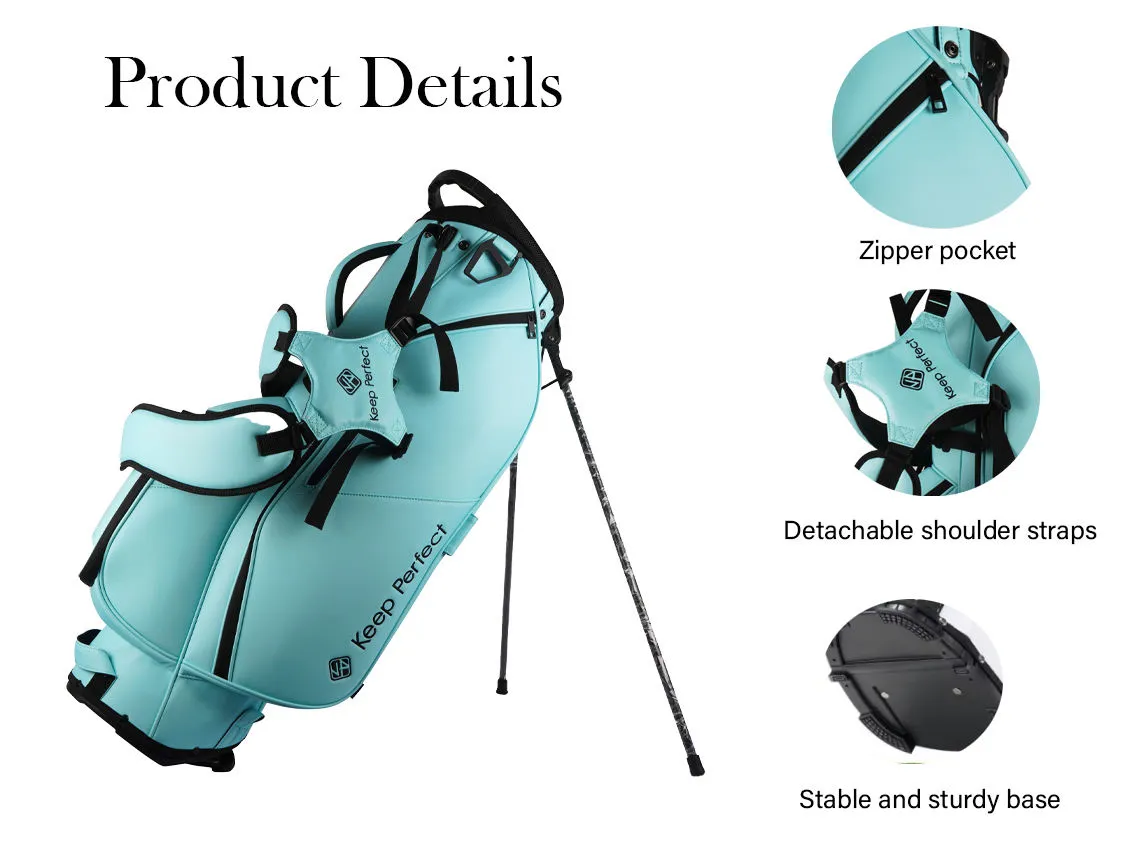
A hardware branding story is strongest when it is planned across the whole line rather than solved bag by bag. Decide up front which hero pull is the brand signature, keep that component constant, and vary only the shell and colorway between SKUs. This lets a firm's entire line share one distinctive hardware identity without re-tooling each time, which controls cost and strengthens recognition.
For a brand with multiple bags, we recommend locking one hero pull design and finish that recurs across carry, hybrid, and waterproof lines. The eye then learns the signature, and a competitor's generic pull becomes obvious by contrast. The shared component is a per-unit part with its tooling amortized across a larger combined volume, so the more the line grows, the cheaper each branded pull becomes.
The line-level approach also simplifies inventory and reorders. One hero pull SKU, one color-band system, and one approved finish mean a buyer manages a single named component instead of an assortment. Combined with the sealed master and the per-unit component cost on reorders, this makes a multi-SKU hardware program both economical and administratively clean for a scaled retail presence.
Working with the factory on tooling decisions
Tooling is where hardware branding cost is really decided, so it pays to have the factory's engineers involved early. A custom mold or etched die is a one-time investment that should be sized to the expected run and reorder plan, not just this order. We help buyers choose between a deboss die, a laser-etched metal pull, and a full relief mold based on the logo complexity and the intended premium feel.
The logo file itself drives tooling cost. A simple, single-color, high-contrast mark debosses or etches cleanly and cheaply; a logo with fine gradients or delicate lines is expensive to reproduce in metal and may not transfer well to a small pull. Vector AI or EPS artwork with outlined fonts is mandatory, and we advise simplifying the mark to its strongest form before tooling so the pull stays readable at a small size.
Approve a physical tooling sample, not a render, because small metal detail reads differently in hand than on screen. Once approved, the die or mold is filed as part of the program master and reused on every reorder, so the tooling cost is paid once and the run-to-run match is locked. This is the discipline that turns a one-off branded order into a repeatable, low-cost signature.
Balancing cost against the perceived premium
The goal of hardware branding is perceived value, so the spend should map to the price segment. A mid-tier bag benefits most from a debossed or color-banded pull that reads as intentional; a premium or tour-level line justifies a molded metal pull and a branded closure plate because the target customer expects that craft. Over-branding a budget bag wastes money; under-branding a premium bag forfeits the price point.
The finishing touches matter as much as the metal. A color-banded slider, a tonal pull, and a clean closure plate together read as design language even when only one element carries a logo. This coherence lets a buyer spend on one hero detail and borrow the perceived premium from the matched finish across the rest of the hardware.
We advise buyers to cost the hardware against the bag's retail position, not its factory cost. A few cents or dollars of branded hardware supports a higher retail price and a stronger unboxing impression, which is where the ROI lives. Because the per-unit upgrade is small and the tooling amortizes, the branded hardware typically pays for itself in the price it supports rather than adding a burden to the build.
Test plan and acceptance criteria for branded hardware
Hardware needs its own test methods with pass/fail criteria. Confirm the pull passes smoothness and anchor-load tests, verify the finish does not corrode or fade, and check that the logo placement adds no snag risk on the course.
- Zipper smoothness and cycle test on the branded pull
- Pull/closure anchor load test with a failure limit
- Corrosion or salt-spray check on metal hardware
- Finish and color retention vs. the sample
- Visual and dimensional match to the approved pull sample
Sampling and QC checklist
Approve a physical pull sample on the actual bag and confirm the tooling, finish, color, and logo placement before bulk. Keep the molded pull or etched die on file so reorders match the first run exactly.
- Physical pull sample approved with logo and finish
- Slider and zipper-tape compatibility confirmed
- Placement of hero pull locked on the sample
- Corrosion and smoothness tests passed
- First-article hardware checked against the master
After-sales and spare hardware for the long run
Branded hardware introduces a spare-parts consideration that a standard bag does not have. If a branded pull or slider fails in the field, the replacement should match the branded spec, or the fix visibly devalues the bag. We hold the branded pull and finish records and can supply matched spare hardware, so a program's after-sales repairs keep the brand looking right over the bag's life.
For a retail line, this is a real confidence signal. Retailers value a supplier that can send a matching branded pull rather than an unbranded substitute, because it preserves their customers' impression of the product. For a team or corporate program, spare branded hardware keeps the set uniform when a single bag needs a repair, avoiding a mismatched pull that breaks the squad's look.
Spare planning is simple if the spec is locked. Because the hero pull, finish, and tooling are filed with the master, ordering spare branded hardware on a reorder is just adding a small quantity to the component run. This is one more reason to keep the hardware spec disciplined: it makes after-sales both possible and cheap, and it closes the loop between branding design, production, and service.
Recommended internal links
- Products (Stand Bag Architectures)
- OEM/ODM Service
- Factory & QC
- Golf Stand Bag Buying Guide
- Creative Logo Ideas
FAQ
How much do custom zipper pulls add to the cost of a golf stand bag?
A molded plastic or metal zipper pull with a debossed or printed logo typically adds a few cents to a few dollars per bag depending on material and quantity. Debossing a logo into an existing pull is the cheapest route; a fully custom molded pull is the premium option.
Can a small business afford branded hardware?
Yes. At an MOQ of 200 pieces (or 100 for a test order), a branded zipper pull and a color-matched slider are economical because the mold or tooling is amortized across the run and reused on reorders. Starting with a debossed or laser-etched pull keeps cost lowest.
Which zipper hardware is most durable for a golf stand bag?
Metal sliders and pulls with a corrosion-resistant finish, or reinforced molded plastic pulls, are the durable choices. We oil-coat and color-band hardware and run a smoothness cycle test so branded pulls survive the flex of the stand hinge and pocket access.
Do custom zipper pulls affect bag quality?
Not if engineered correctly. A custom pull must match the slider and zipper tape spec, and the logo placement must not add snag risk on the course. We test pull smoothness and anchor load so branding does not degrade the pocket function.
What is the best way to brand hardware on a budget?
Combine one branded zipper pull on the hero pocket with color-banded standard pulls elsewhere, plus a small laser-etched or debossed metal detail on a visible closure. This concentrates the branding where it photographs while keeping the rest standard to control cost.
Can hardware branding support OEM and ODM programs?
Yes. In OEM we brand proven zipper and hardware specs with your logo; in ODM we co-develop custom sliders, pulls, and closure hardware around your brief. Tell us your market and quantity and we will recommend the lowest-risk hardware branding path.
Request a B2B quote for golf stand bags
Send your target market, expected MOQ, and reference photos. We respond within 24 hours with a sampling plan.