For the most compact small carry, see our pencil bags — For a B2B brand that wants a working relationship rather than a one-off purchase, partnering with a golf stand bag factory is a decision about repeatability: a partner with roughly 200,000 pieces of monthly line capacity at a facility of about 4,950 sqm and 137 staff, an AQL-driven QC system at General Level II, and a documented sealed-master retention policy is far more likely to make your fifth order match your first than a cheaper supplier chosen on price alone. This guide turns the difference between ordering and partnering into a set of verifiable expectations, so your range ships consistently across seasons.
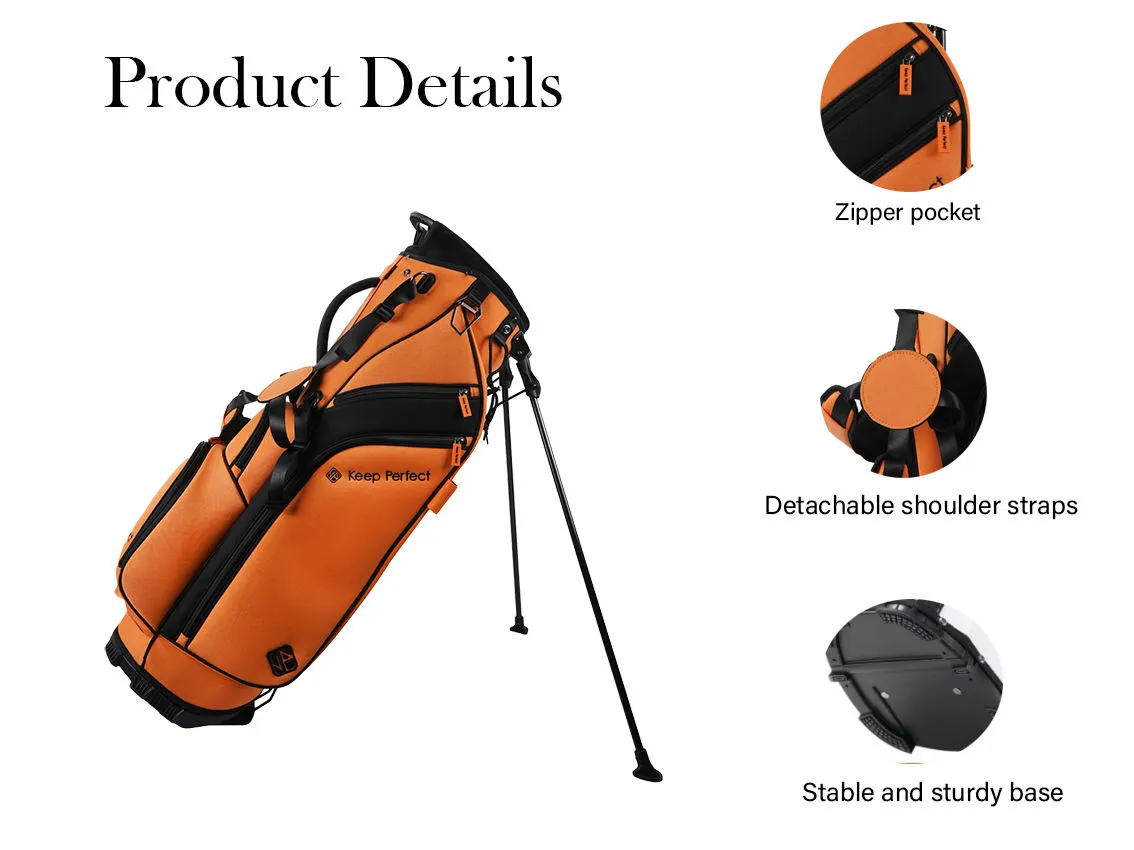
Why partnership is a different decision from ordering
The word "partner" is used casually in sourcing, but it should mean something specific. Ordering from a factory is a transaction: one purchase order, one shipment, quality verified on that lot, and a relationship that ends when the money and goods clear. Partnering is a structured, ongoing relationship designed for repeatability — the mechanisms (QC gates, sealed masters, substitution rules, after-sales support) exist so that the quality of a later production run matches the sample that convinced you in the first place. When the stakes are a multi-season product line, partnership is the higher-value decision.
The operational meaning of a partnership is that you and the factory agree on the gates before the volume shows up, and you both treat those gates as the shared contract. A transactional buyer reacts to problems after they arrive; a partner prevents many of them before they do. The difference shows up in component substitution (a transactional factory quietly swaps fabric when the original is out of stock; a partner asks for written approval first), in colorway (a partner holds the sealed chip so reorders match; a transactional supplier just says the dye lot will be close), and in after-sales (a partner underwrites claims with root-cause replies rather than arguing). Those differences compound across orders.
So before you send a PO, ask whether you actually want a partnership or a purchase. A one-off test run to evaluate a factory can still be a transaction. A committed recurring program — your own branded line, your own retail account, your own seasonal colorways — deserves the work of structuring a partnership. That is the distinction this guide is built around, and it should shape how you brief the factory, what you write into the agreement, and how you evaluate the relationship over time.
Core competence and the equipment behind it
Partnership-grade capabilities are physical and auditable. You should be able to see the sewing stations, the cutting tables, the assembly lines, and the QC room, or read about them in a dated third-party facility audit. A serious stand bag partner fabricates at a plant of roughly 4,950 sqm across 7 production lines with 149 machines — of which 126 are sewing machines — and 137 staff, running a line capacity near 200,000 pieces per month with a current production around 150,000. The point of these numbers is not the size; it is that a partner operating at that scale holds the capacity, the QC staffing, and the repeatable process a large program requires.
The equipment specifics matter for golf stand bags specifically. The stand mechanism is welded or riveted hardware, so you want a partner that can run functional testing on it: a deployment-cycle test in the 3,000-10,000 range, a stability-angle check, and a leg-spread consistency check. The zippers are high-cycle components, so you want a zipper cycle test with a jamming threshold and a pull-force target. The straps carry the bag on the shoulder, so you need a strap-anchor static-load test. A partner that has the stations and fixtures to run these tests — and records the results by lot — is one that treats functional durability as part of the product, not an afterthought.
Do not stop at the machines; verify the export capability that ships what you order. A partner with a registered customs code and a track record of declared exports has the paperwork, the freight relationships, and the compliance habits a smooth delivery needs. A partner holding a 12-year trade record behind the trading entity has weathered enough cycles to handle the schedule pressure, the rush orders, and the documentation that a cold supplier might fumble. Equipment plus export record together form the physical and commercial backbone of the partnership.
Quality, compliance, and the standards that hold in the long run
In a partnership, quality is not a mood or a promise; it is a documented, inspected, and measured standard. The framework is AQL-based inspection run at a defined level — for example General Inspection Level II with Major AQL 2.5 and zero critical defects. For every lot, record the sample size, the acceptance and rejection numbers, and the defect photographs, then archive the result with the sealed master. When a reorder matches across colorways and seasons, it is because these records and the sealed references exist to make that matching possible.
Compliance is the partner side of quality and often determines whether the goods can even clear your market. Confirm that the fabric and hardware can meet the relevant regulations for your destination — a nickel-leaching test for metal hardware, restricted-substance limits for dyes and coatings, and flammability or labeling rules where applicable. Ask for the material certifications and the testing reports, and agree which market's requirements govern. A partner that proactively flags a compliance risk before production is demonstrating the engineering honesty that defines a real partnership.
The standards that hold in the long run are the ones encoded in written agreement. The partnership brief should name the QC level, the functional tests and their pass/fail criteria, the tolerance on color and weight, the component-substitution approval rule, and the rework and corrective-action clause. When both sides sign to the same numbers, a dispute is resolved by checking records rather than by argument. That is the difference between a partner who holds a standard and a supplier who just says the standard is high.
Communication and the tech pack that makes a partnership work
Repeatable production is built on repeatable communication, and in a partnership the tech pack is the shared language. A complete tech pack names the bag type and use case, the divider configuration (4/5/6/14-way and whether full-length dividers are required), the material with denier and finish, the pocket list with access logic, the branding method and placement, the weight target and tolerance, and the QC and inspection standard. Handing the partner a complete pack on the first brief means less guessing, fewer sample rounds, and a schedule that holds.
Set clear decision points across the cycle and agree who approves what at each. The pre-production sample is your first decision gate: freeze the design, the artwork lockup, and the tech pack there so later production cannot drift. Similar gates mark the first-article check, the inline inspections, and the final AQL inspection before packing. In a partnership, communication is scheduled and structured around these gates, not improvised when something goes wrong. The higher the volume, the more important those structured check-ins become.
Think in systems when you communicate, because a stand bag is a system, not a parts list. Changing the divider configuration can change the weight balance and the stand geometry. Moving a pocket can affect the stitching pattern and the stress points. Specifying a lighter fabric can change how the zippers seat and how the bag stands on release. A partner's engineering team should flag these interactions and propose toward your target, not just execute your drawing blindly. That system-thinking, technically engaged back-and-forth is one of the clearest signals that you have a partnership rather than a vendor.
Commercial structure and the agreement that protects both sides
A lasting partnership is secured in its commercial terms, so fix them with care. Define the component-substitution approval rule so no material or hardware is changed without written sign-off, and add the rework and corrective-action clause so a failed lot has a defined remedy rather than an open argument. On colorways, lock the delta-E tolerance and the sealed-chip reference. On shipping, agree the incoterm and destination, the carton spec, the polybag, the labeling and barcode verification, and a packed drop-test target so the goods arrive traceable and presentable.
The pricing structure should reward the relationship rather than erode it. Volume pricing for the recurring program is reasonable, but preserve the margin for the QC, the sampling, and the retention work — the cheapest partner usually funds its discounts by skipping those. A transparent pricing model that itemizes the sampling, the certified-testing, and the after-sales allowance is a healthier basis for a partnership than a single low number that hides where the corners were cut.
Multi-program planning is where a partnership pays off most visibly. Once the baseline architecture is proven, the second and third programs reuse the QC gates, the sealed references, and the engineering relationship, so subsequent launches are faster and cheaper than the first. The partner that invested in the first program's structure earns more of your range over time, and you earn faster, more consistent launches. That compounding return is what a partnership relationship is actually buying.
After-sales and the support that protects your brand
A partnership does not end at the dock; it continues into the product's life in the field. Agree the after-sales framework early: the warranty window, the claims process, and the response times (for example, a root-cause reply within a defined number of days). Agree that replacement or rework is based on documented defects and root-cause analysis rather than a blanket rejection, and define the return-and-credit terms so claims are handled fairly and quickly.
Spare-parts capability is the practical heart of after-sales. A partner should carry roughly 1-2 percent of spares across the program — stand hinges, legs, zippers, strap hardware, and the small fastening and buckles — so your brand can service a warranty claim without a full production run for one component. Confirm the spare-parts carry and their lead time in the same conversation as the price, because the brand that can replace a hinge in weeks rather than months protects retail trust and repeat purchases.
Use the after-sales data to feed the partnership. Track the claim rate per lot and per component, ask which defect class is driving it, and feed that back into the next production gate. A claim rate that drifts upward is an early signal, often caused by a silent substitution or a weakened QC gate; catching it in the data prevents a small problem from becoming a quality reputation issue. A partner that reviews your after-sales metrics with you and adjusts is operating as a genuine partner.
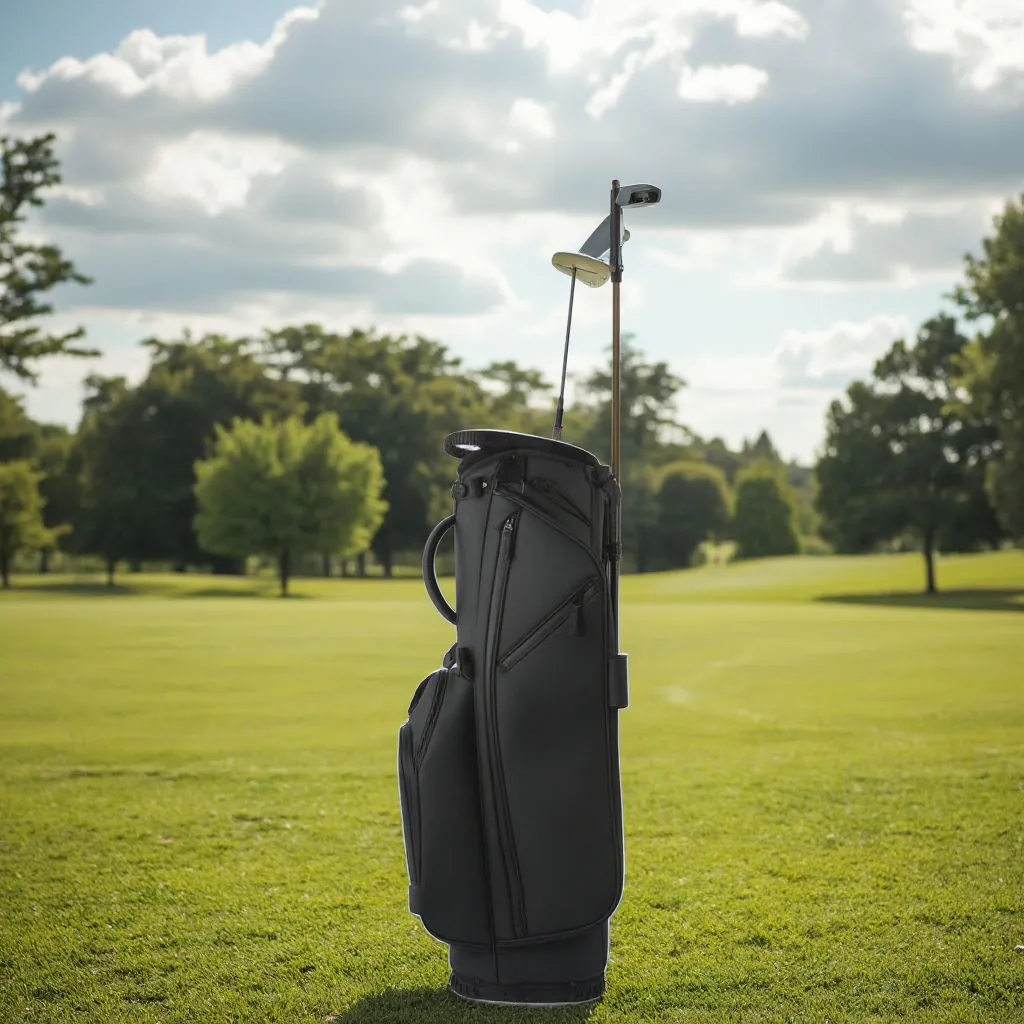
Partnership scorecard and blueprints per model type
Compare candidates on a single page so the choice is made on evidence, then map each model type to a proven blueprint.
| Criterion | What Signals a Good Partner | What Signals a Risk |
|---|---|---|
| Capacity verified | Audited facility, named sqm/staff/machines | Capacity claimed in adjectives only |
| QC system | Named AQL level, Ac/Re recorded per lot | "We guarantee quality" with no gates |
| Retention | Sealed master + color chip + lot archive | No sealed references held |
| Substitution rule | Written approval required before changes | Unannounced material swaps |
| Engineering input | Flags system interactions, proposes toward target | Executes drawings only, no feedback |
| After-sales | 1-2% spares, warranty plan, root-cause replies | No spares, blank replacements |
| Transparent pricing | Itemizes sampling, testing, after-sales | Single low price, corners hidden |
The blueprints follow the blanker architecture you choose. A lightweight carry model needs a low weight target with a narrow divider and a light stand system. A 14-way organizer model needs full-length dividers and a reinforced base to hold the heavier club set. A waterproof brick model needs sealed seams, coated zippers, and a corrosion-treated stand. Each architecture carries its own material, functional, and QC emphasis, and a partner that can map your model to the right build and test plan is worth more than one that only quotes a price.
Common pitfalls when building a factory partnership
The relationship failures follow recognizable patterns, and naming them helps you avoid them. The first is choosing on the lowest price alone and discovering that the discount was funded by skipped gates, unsealed references, and silent substitutions. The second is assuming quality will improve after the first order without ever putting the improvement in writing — a partnership that does not write its gates down leaves quality to mood and memory. The third is letting a strong personal sales relationship substitute for process evidence, which keeps you attached to a supplier that cannot actually hold your standard.
Another pitfall is over-rotating the first program. A first order spread across too many architectures and colorways multiplies MOQ friction, scatters the QC effort, and makes the partner's reliability impossible to measure. The disciplined first partnership is narrow: one architecture, a small dye-friendly palette, and a baseline driven to scale before the range broadens. That concentrated run is how you learn whether the partner holds the standard before you entrust them with the whole catalog.
Finally, beware of treating the partnership as permanent without review. Revisit the relationship whenever AQL acceptance drifts down across lots, when accepted substitutions begin changing the feel or the durability, when lead times slip repeatedly, or when reorders stop matching the sealed master. A healthy partnership is reviewed on evidence every few seasons and adjusted, which keeps the relationship productive rather than comfortable. That disciplined review is precisely what separates a durable partnership from a habit.
How to negotiate partnership terms that last
Negotiating a factory partnership is different from negotiating a one-time purchase because both sides are locking in a multi-order relationship, and the terms you settle on set the operating rules for every later program. Start by separating the commercial terms from the operational terms, because the two communicate different things. The commercial terms — price, MOQ, payment terms, lead-time windows — define the economics of the deal. The operational terms — QC levels, substitution rules, retention, after-sales, rework — define how the two sides behave when something goes wrong. A partnership agreement that only fixes price and MOQ is really just a frame around a transaction; a partnership agreement that also fixes the behaviors is the actual relationship contract.
On price, resist pushing to the absolute floor and instead negotiate the structure. Volume pricing for the recurring program is fair, but protect the line items that keep the partnership healthy: the sampling budget, the certified testing and QC cost, the retention of sealed masters, and a small after-sales allowance for spares. These are the parts of the price that a corner-cutting partner quietly drops, so keeping them visible in the quote is a signal that the partner is honest about what a reliable program genuinely costs. A partner that itemizes them freely is likely to deliver them; a partner that only ever quotes one round number is leaving room to skip some.
On the agreement clauses, push for the ones that determine long-run behavior. Require written approval at every decision gate, from the pre-production sample through the first-article check and the final AQL inspection, so no stage of production advances unverified. Require that any component substitution be proposed in writing with the reason and the impact, and signed off before production uses it — this single clause stops silent material swaps, which are the leading hidden cause of a good program turning into an inconsistent one. Lock the delta-E tolerance and the sealed-chip reference into the colorway clause, and define the rework and corrective-action response so a failed lot has a finite, honest remedy.
Finally, build review into the terms rather than hoping for it. Agree that quality data will be reviewed at defined intervals — claim rate per lot, AQL acceptance trends, on-time delivery — and that either side can raise a structured review when those signals drift. Setting that expectation at the start makes the later review a normal part of the relationship instead of a conflict. A partnership negotiated this way, with both the commercial and the behavioral terms on the table, is one that can survive the first quality hiccup, the first schedule squeeze, and the first season change — and that is precisely what a long-running branded program needs.
Mapping your model line to the partner's build capacity
A partnership only delivers its value if the partner can actually build the models in your line, so map your range to their proven capability before you commit. If your line leads with lightweight carry bags, you need a partner who has built light stand systems repeatedly and can hit a tight weight target with a narrow divider. If your range is organizer-heavy, you need the full-length-divider tooling and the reinforced-base engineering that holds a heavier club set without flexing. If you are heading into waterproof or all-weather models, you need sealed seams, coated zippers, and a corrosion-treated stand — which is a different build discipline from a standard bag. Each architecture carries its own functional and QC emphasis.
Ask the partner to show the models they already build against each of these categories, then align your blueprints to those proven lanes rather than asking them to invent fresh geometry for every SKU. This is not a limitation; it is risk control. Starting your partnership inside proven lanes means the sampling rounds are shorter, the technical risk is lower, and the first runs are far more likely to come in on quality. Once the relationship is proven, you can push one or two hero ODM models to build the differentiator that separates your brand — but do that after the baseline has been established, not before it.
It is also worth confirming the capacity buffers across your model mix, because a line that mixes lightweight and organizer models exerts different pressure on the sewing stations and the stand fixtures. Ask how the partner schedules mixed lines, how they allocate the QC room, and how they protect your peak-season slot when several clients compress at the same time. The partner who can describe a schedulable, buffered build across your exact model mix — rather than a generic promise of capacity — is the one who can deliver your range season after season.
Recommended Internal Links
- Products (Stand Bag Architectures)
- OEM/ODM Service
- Factory & QC
- Golf Stand Bag Buying Guide
- Choosing a Stand Bag Factory
FAQ
How is partnering with a factory different from just ordering from one?
Ordering is a one-time transaction. Partnering is a structured relationship with documented QC gates, sealed masters, substitution rules, after-sales support, and engineering input, designed so later orders match the first sample.
What manufacturing capabilities should I verify in a stand bag factory partner?
Verify sewing stations, cutting and assembly lines, a functioning QC room, monthly capacity versus current rate, and functional-test capacity for the stand, zippers, and straps, backed by a third-party audit and an export record.
What ongoing expectations should I set with a factory partner?
Set repeatable gates: a first-article check per line, AQL inspection per lot with recorded Ac/Re numbers, sealed-master and color-chip retention, written approval before substitutions, and after-sales metrics such as claim rate and root-cause replies.
How do I avoid the common mistakes when partnering with a stand bag factory?
Do not choose on the lowest price alone, do not assume quality improves without written gates, and do not let a sales relationship substitute for process evidence. Audit capacity, write the AQL and rework clauses into the agreement, and gate every stage.
How many colorways or SKUs should I partner around on a first program?
Start narrow: one architecture and a small dye-friendly palette, so MOQ friction stays low and QC effort stays focused. Drive the baseline to scale, then broaden once reorders confirm the partner holds the standard.
What after-sales capabilities should a factory partner offer?
A partner should carry 1-2 percent spares (hinges, legs, zippers, straps), support a documented warranty window, and answer claims with root-cause analysis rather than a blanket replacement. That protects your brand and the retail reorder.
When should I revisit or replace a factory partner?
Revisit when AQL acceptance drifts down across lots, when accepted substitutions change the product, when lead times slip repeatedly, or when reorders no longer match the sealed master. Review on evidence roughly every few seasons.
Request a B2B quote for golf stand bags
Send your target market, expected MOQ, and reference photos. We respond within 24 hours with a sampling plan.