Matching a custom golf stand bag to a team or brand palette comes down to locking the shell, thread, and trim to one Pantone reference held to a delta-E tolerance, and at our affiliated Quanzhou plant that process runs across a conventional MOQ of 200 pieces (or 100 for a test order) with sampling at 10-20 days. This B2B guide explains the color options we engineer at the SGS-verified facility (4,950 sqm, 7 lines, 149 machines, 137 staff), how dye lots keep a whole order matching, and the sourcing decisions that protect the colorway from fading across a full season for buyers of QUANZHOU JUNYUAN BAGS. For brands that want a fully customized silhouette — structure, dividers, pockets and hardware — our custom golf bag factory team specializes in OEM/ODM programs.
Key Takeaways
- A Pantone reference plus a physical chip beats any screenshot for color matching
- One dye lot across the whole order keeps every bag in the same tone
- Yarn-dyed nylon and sublimated polyester are the most colorfast choices
- A delta-E limit in the tech pack protects reorders from tone drift
- Contrast panels add palette depth without a second full dye lot
Why color is a specification, not a preference
Color is the first thing a buyer, a sponsor, and a camera sees on a custom bag, yet it is the parameter most often left as a word. "Team navy" or "brand red" means nothing to a dye house without a reference, and the result is a bag that technically has the color but fails the palette. In B2B the fix is a spec: a Pantone reference for the shell, thread, and trim, a physical approval chip, and a dye-lot record so the whole shipment matches.
The physics matter too. Fabric is not a flat color; it reflects light differently by weave, denier, and finish. A brushed nylon reads deeper than a plain polyester of the same nominal tone, and a tonal logo can vanish against a shell of close value. That is why we approve color on the actual production fabric, not on a swatch of a different weave, and why on-screen matching is never accepted as a final reference.
Because color drives so much of the perceived quality, getting it right early saves the most money. A color mistake caught at the first article costs one sample round; the same mistake caught after bulk runs means re-dyeing or remaking units. The discipline of a chip pack and a delta-E limit at the start is the cheapest insurance a team program can buy.
The cost structure of color is worth knowing before you brief. A single hero colorway inside a yarn-dyed nylon carries little premium over a standard lot, while a second full dye lot, a contrasting panel program, or a multi-value surface finish adds real cost and matching risk. This is why our buyers report only a modest uplift for a clean one-hero-plus-accent palette, but a clearly higher quote for a three-color split across separate lots. Set the palette ambition early so the quote reflects the program you actually intend to ship.
The custom color options available to a buyer
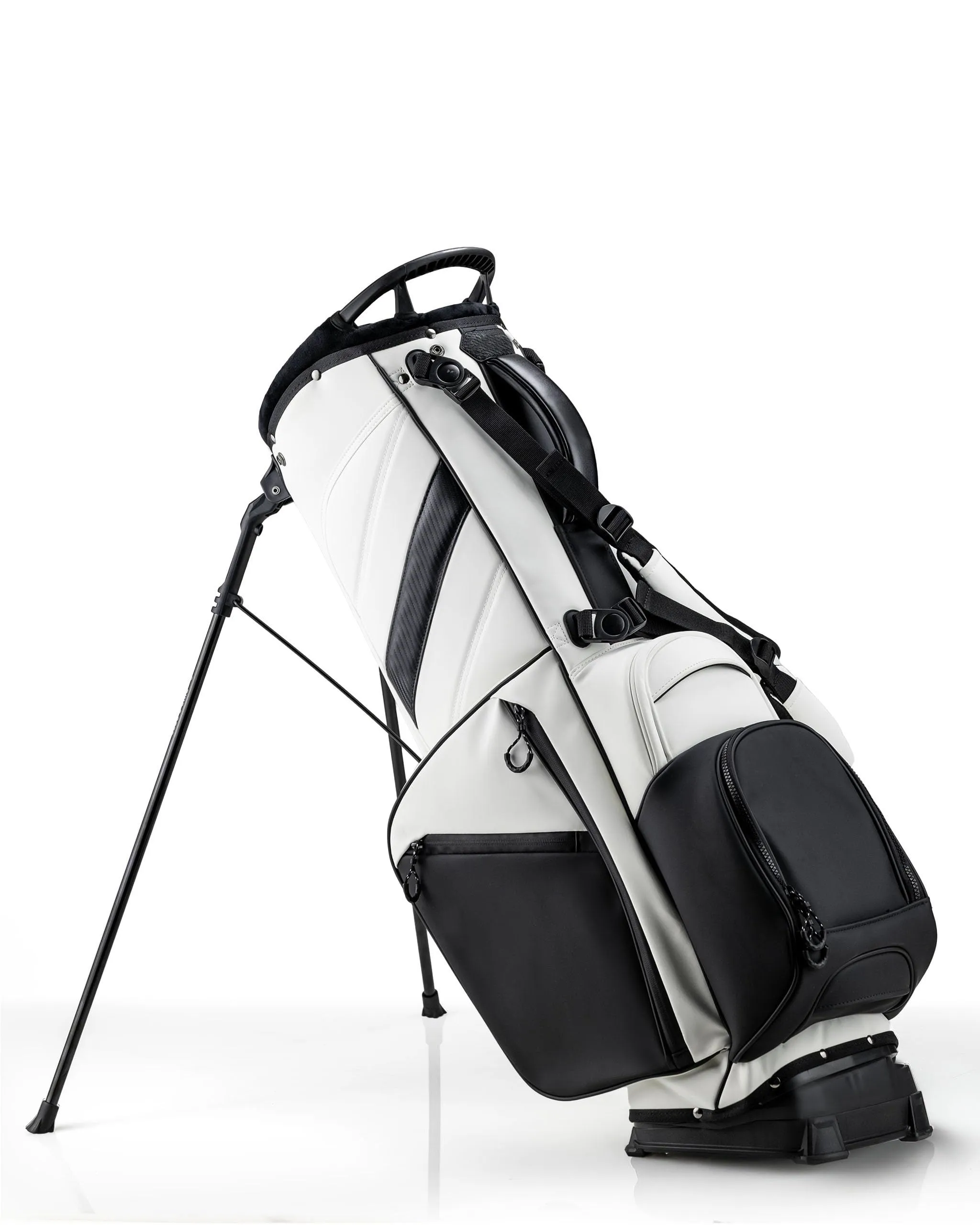
A custom color program is not one choice but a stack of choices. The shell colorway is normally a yarn-dyed or piece-dyed nylon or polyester in the team's hero tone. The accent — piping, zipper pulls, strap overlay, or a contrasting lower panel — adds a second color without a second full dye lot. The logo thread or patch is matched to the same palette. Each layer is specified separately and locked together.
For a multi-color identity that cannot be split into shell plus trim, contrast panels are the cleanest route: a front lower panel or pocket flap in a second color that frames the hero tone. This stays inside one shell dye lot and reads as a designed two-tone bag rather than a mismatched one. For gradients or full-panel brand graphics, sublimation on polyester is the option that carries the palette across the whole panel.
The choice of method changes the cost and longevity. Solution or yarn-dyed fabric carries color through the fiber, so it fades least over a season. Sublimation prints into the fabric surface and is very colorfast on polyester. A coated or printed surface finish is cheaper but the least durable on high-flex areas. We match the method to the panel so the palette survives where the bag actually flexes and abrades.
Dye-lot control and bulk consistency
Bulk color consistency is where teams lose the look. Fabric is dyed in lots, and two lots of the same nominal color can differ by enough that bags from each lot side-by-side look wrong. The fix is to run the entire order through one dye lot and to keep a dye-lot record with the approved chip. When a team order ships, every shell carries the same lot number and the same tone.
At our plant we approve a lab-dip on the actual fabric, lock the dye formula, and hold a physical chip pack with the sealed color chip per colorway. The first article of each run is checked against that master before bulk proceeds. This is the same discipline we apply to factory QC on every production batch, so the whole shipment matches the approved sample rather than approximating it.
For reorders the lot control continues. When a team adds new players in a later season, the new shells are matched to the sealed chip and the delta-E limit, not to a memory of the color. This is what keeps a program looking identical across seasons even when production moves through different dye lots over time.
Matching a specific team or corporate palette
To match an exact palette, start with the official reference. For team and corporate colors this is normally a Pantone number in the brand guide. Send that reference with the RFQ, and we dye-match the shell, embroidery thread, patch, and trim to it. If there is no Pantone number, send a physical swatch of the actual fabric or paint chip so we can take a color reading at the lab.
The technical limit is that fabric and a screen never match. A pure corporate red on a monitor may shift under studio light on a nylon weave. We manage this by approving a lab-dip or a physical chip pack before bulk, and by setting a tonal tolerance on the approved color rather than the imagined one. The buyer sees a real chip, not a guess, and the production batch is held to it.
When a palette has multiple values — a primary, a secondary, and an accent — we sequence the approvals. Lock the base shell first, then the accent trim, then the logo thread, because each decision changes how the next reads against it. A black logo on a black lower panel, for example, needs the thread pulled to a contrasting grey or the patch edge made tonal, which is a decision that only makes sense once the shell tone is fixed.
Colorfastness: which options survive a season
A custom palette is only as good as its colorfastness. UV from hours on the course, washing, and abrasion all attack color over a season. The most colorfast options are solution and yarn-dyed nylons, which carry the dye through the fiber so surface wear does not strip it, and sublimation on polyester, which bonds into the fabric surface. These are the choices we recommend for a hero colorway meant to hold its tone.
Surface finishes and printed coatings are the shorter-lived options. They are fine on low-wear panels but will fade fastest on the stand hinge, the bottom wear plate, and the dual-strap anchors, where the bag flexes and rubs. Heat transfer on those zones is the shortest-lived of all. We set a fade-test target — typically a delta-E shift within an agreed limit after a defined exposure — and print that into the QC plan so a bright team color does not dull by mid-season.
The material makes the difference on the palette more than the logo does. A buyer who wants a radiant, long-lived hero color should steer the shell direction toward a yarn-dyed nylon or a sublimated polyester rather than a coated surface finish. We flag this trade at the spec stage, because swapping materials after bulk is far more expensive than choosing the colorfast option first.
Contrast panels and two-tone design
A two-tone palette does not have to mean two dye lots. Contrast panels — a front lower panel, pocket flap, or side accent in a second color — give a bag designed depth while the whole shell stays in one lot. This is the most cost-controlled way to bring a secondary team color into the design, and it is popular on team and resort programs where the palette needs a second value.
The placement of the contrast drives the effect. A hero logo on a black lower panel with a grey shell reads as a modern silhouette; a tonal accent on the top lid ties the whole bag together. We recommend using the contrast panel also as the logo zone, so the color framing and the branding work together rather than fighting for the eye.
Tonal and reflective accents extend the system. A tonal pocket or a small reflective strip adds a functional safety element for twilight play while keeping the palette cohesive. Because these live on separate components, they do not change the shell dye lot and are low risk to add. This is how a buyer builds a distinctive two-tone identity without the cost of multiple full dye lots.
Specification table for color matching
Use this table as the color section of your tech pack. Lock each row before bulk so the palette is reproducible.
| Parameter | Typical Team Spec | Buyer Notes |
|---|---|---|
| Color reference | Pantone number or physical chip | Send official brand reference, not a screenshot. |
| Shell dye method | Yarn-dyed or piece-dyed nylon/polyester | Yarn-dyed is the most colorfast choice. |
| Dye lot | One lot across the whole order | Keep lot record with the approved chip. |
| Accent trim | Second Pantone on piping, pulls, strap | Stay inside one shell lot via components. |
| Colorfastness | Fade test with delta-E limit | Define exposure and allowed shift. |
| Approval artifact | Lab-dip or physical chip pack | Approve on the actual production fabric. |
| Repeatability | Sealed master + delta-E on reorder | Protects later-season tonal consistency. |
Common color mistakes and how to avoid them
The most common mistake is approving color from a screen. Monitors, lighting, and fabric texture all shift perceived color, so a bag that matched the JPEG in the office can be visibly off against the team's existing apparel. The fix is a physical chip or lab-dip on the actual fabric, approved before bulk. The second mistake is skipping the dye-lot record, which turns a matching order into a gamble between lots.
A third mistake is layering the logo color independently of the shell. A logo that looks strong in a stock image can vanish against a shell of the same value, so we choose the base colorway before finalizing the logo color and run a tonal check on a trim-down sample. The fourth is pushing heat transfer or printed coating onto high-flex zones, guaranteeing fade and peel by mid-season.
The fifth is treating every colorway as a separate run. When a team wants three colors, we consolidate into one hero lot plus contrasting components, keeping matching risk low and cost controlled. Each of these mistakes is avoidable with the same three tools — a Pantone reference, a physical chip, and a delta-E limit — all printed into the tech pack before the first article.
Color and the rest of the bag architecture
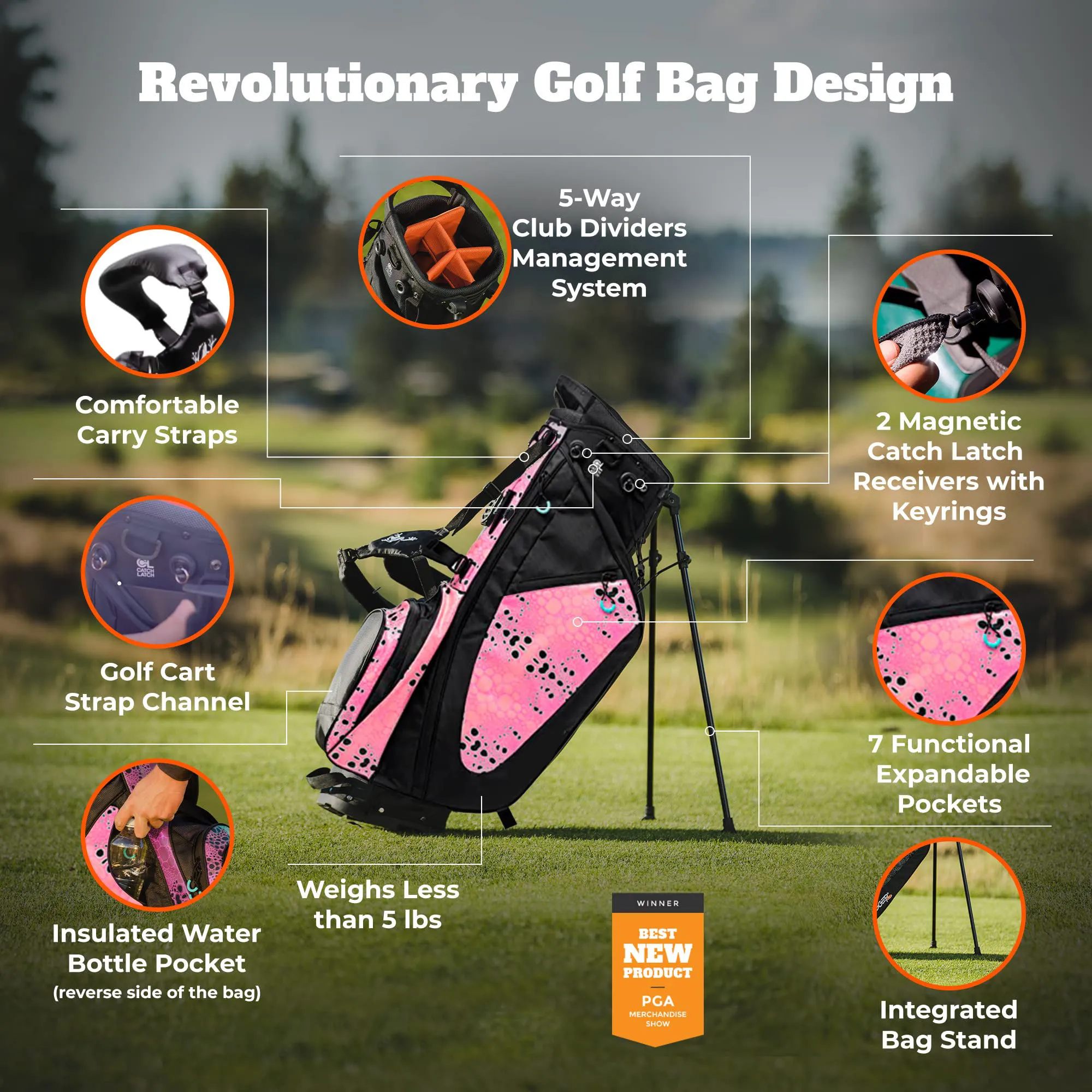
Color sits on a working product, so the palette should be decided together with the bag architecture, not after. The lightweight carry architecture shows color differently than a heavier 14-way divider bag because the panel sizes and flex patterns differ. Tell the factory your divider spec and material direction in the same exchange as your colorway so the palette is applied where it will actually be visible and survive.
The functional customizations also carry color. A cooling pocket, a valuables pocket, or a magnetic rangefinder closure can be trimmed to the palette, giving the design a functional signature that the logo alone cannot. We pair the hero colorway with one functional accent — a color-matched pocket or a tonal closure — so the bag reads as designed end to end rather than a shell with a logo bolted on.
Because color interacts with structure, the buyers who move fastest brief palette and architecture together. At QUANZHOU JUNYUAN BAGS we run OEM colorway work on proven architectures and ODM colorway development alongside structure and materials, and we will flag any panel where the palette cannot hold its tone before sampling. This keeps the color program on budget and on timeline.
Testing and acceptance criteria for color
Color needs a test method, not just a hope. Add a fade test with a defined exposure and a delta-E limit, verify the dye lot across the shipment, and confirm the accent and thread match the shell. The acceptance criteria should state what "in tolerance" means so a reorder or a dispute has an objective reference.
- Color match against the approved chip with a stated delta-E
- Fade test under defined exposure with an allowed shift
- Dye-lot consistency across the whole shipment
- Thread and trim matched to the same reference
- First-article color check against the sealed master
Planning a multi-season color program
A color program pays off most when it is planned across seasons rather than re-solved each year. Decide up front whether the hero colorway will carry for two or three seasons, and keep the sealed chip and dye formula on file. This turns a yearly inventory decision into a repeatable reorder, because the new run is matched to the same reference instead of re-negotiated from memory.
Season over season, the value shows in the squad and the brand. A team that carries the same palette into a second year is unmistakable on the course, and the baggage of matching a new player's bag to the existing set is a reorder against the sealed master, not a new color development. The delta-E limit and the lot record mean the 2027 shell reads next to the 2026 shell as one continuous palette.
We also advise teams to reserve a small allowance for seasonal accents. A fresh colorway trim on the strap or a tonal pocket each year keeps the program feeling new without touching the hero shell or the logo. This "same shell, new accent" strategy controls cost and matching risk while giving the design a reason to be photographed again — a practical pattern for any multi-season identity.
Working with a physical color chip pack
The single most reliable tool for color is the physical chip pack. We prepare a small set of actual fabric swatches in the candidate colorways and the matched thread, laid side by side with the trim and hardware finishes. A buyer holds them, angles them in daylight, and sees how the palette really reads before committing a single unit to bulk. This is the artifact that replaces the ambiguous screenshot.
A chip pack is not expensive relative to the mistake it prevents. One round of physical samples at 10-20 days lets a team confirm the hero tone against its existing apparel, check the logo thread against the shell, and approve the accent before the first article of bulk. The few dollars a chip pack costs routinely save a full re-dye or a rejected shipment, which is why we ship one with every color program.
When the palette must answer to multiple stakeholders — a coach, a sponsor, and an athletic department — the chip pack is also the cleanest decision aid. Everyone reviews the same physical artifact and signs off on the same tone, which removes the "it looked different on my screen" debate and locks a single approved reference for the production run to follow.
Procurement and sampling checklist
Collect the color inputs before the RFQ so the palette is locked early. Send the official Pantone references or physical chips, the hero colorway, the accent choice, the logo placement, and the target MOQ and lead time. A clear color brief cuts the sampling loop in half.
- Official Pantone reference or physical chip for each color
- Shell dye method direction and colorfastness priority
- Accent and trim color banding decisions
- Logo and thread color drawn from the same palette
- Dye-lot and delta-E acceptance criteria
Recommended internal links
- Products (Stand Bag Architectures)
- OEM/ODM Service
- Factory & QC
- Golf Stand Bag Buying Guide
- Benefits of Custom Team Bags
FAQ
How do I match a custom stand bag to an exact team color?
Send the team's Pantone reference or a physical color chip. We dye-match the shell and thread to that reference, and lock the batch with a dye-lot so the whole order matches. On-screen colors are not reliable for matching.
Can a custom golf stand bag use more than one colorway at small quantity?
Yes, but each extra colorway is usually a separate dye lot or a contrast panel. At our MOQ of 200 pieces (or 100 for a test order), we recommend one hero colorway plus an accent trim to control cost and matching risk.
Which color methods last longest on a golf stand bag?
Solution and yarn-dyed nylons are the most colorfast, followed by sublimation on polyester. Surface finishes and heat transfer on high-flex panels like the stand hinge are the shortest-lived, so we avoid them there.
Why does my custom bag color look different from the screenshot?
Monitors, lighting, and fabric texture all shift perceived color. We ask for a Pantone reference or physical chip and approve a lab-dip or physical chip pack before bulk so the production tone matches the intended palette.
Can you match a corporate or team logo color across shell and embroidery together?
Yes. We hold the shell, thread, patch, and trim to the same Pantone reference and a shared delta-E tolerance, so the logo and the body read as one cohesive palette. A tonal accent can be added at modest cost.
How are color issues avoided across a large team order?
We run one dye lot for the whole shipment, approve a physical chip pack, and check the first-article unit against the sealed master. A color repeatability test with a delta-E limit protects every subsequent reorder.
Request a B2B quote for golf stand bags
Send your target market, expected MOQ, and reference photos. We respond within 24 hours with a sampling plan.