For a featherweight minimal carry, explore our Sunday bags — For the most compact small carry, see our pencil bags — For a B2B buyer, a stand bag is a budget of materials — on a typical travel line the shell accounts for only about 15-25% of total weight, the stand and base hardware 20-30%, and the rest is dividers, padding, straps, pockets and branding, so switching nylon for polyester or PU leather changes only part of the equation. This guide is an engineer's-eye view of how the three material families combine inside a stand bag — BOM weight allocation, GSM and denier math, panel joins, and hardware pairing — so you can read a fabric data sheet, write a real spec, and brief a factory on numbers, not adjectives.
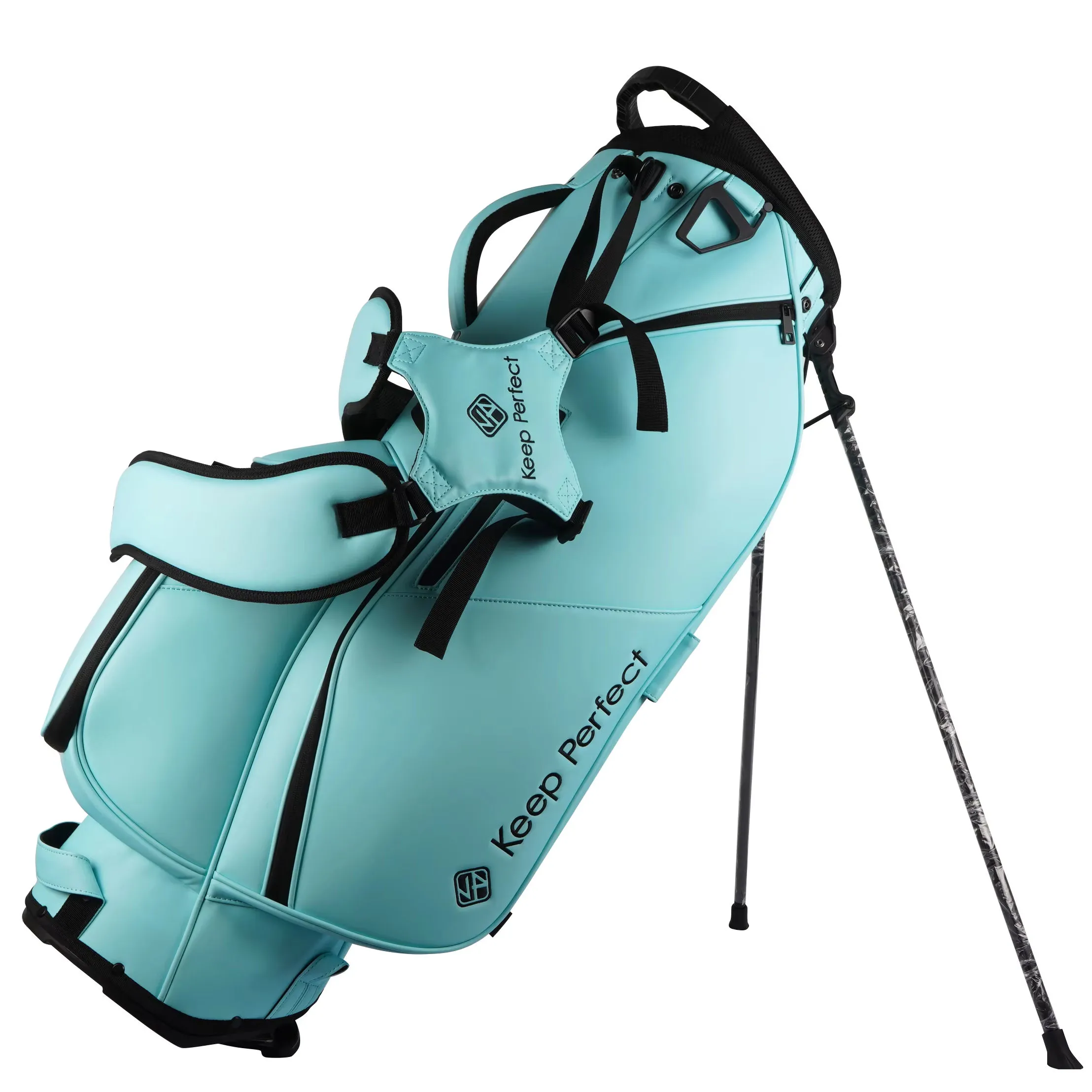
Key Takeaways
- A stand bag is a material budget — the shell is only 15-25% of weight on a travel line, hardware 20-30%.
- Read GSM (grams per square meter), not just denier — it controls real panel weight.
- Each component maps to a material: shell, base, PU trim, lining, straps and hardware all have a spec.
- Panel joins need a defined method — a bound seam or piping — or coated builds delaminate and lift.
- A complete fabric data sheet names fibre, denier, weave, GSM, finish and coating together.
Read the BOM before you pick a shell
The single most useful mental shift a buyer can make is to stop viewing the shell as "the material" and start viewing the whole bag as a material budget. On a mainstream 4-6 lb stand bag the shell is a meaningful but bounded slice of the total weight — typically around a fifth on a travel line once the stand mechanism, base plate, dividers, padding, straps and hardware are accounted for. That is why a shell swap between nylon and polyester usually moves the finished weight by only a few percent, and why chasing "lightest fabric" without touching the hardware rarely wins the weight war — true wins come from a system-level lightweight build like our ultralight golf stand bags.
At our affiliated plant in Quanzhou (SGS-verified March 2026, 4,950 sqm, 7 lines, 149 machines, 137 staff), we quote with a line-item BOM so a buyer can see exactly where grams and cost sit. The value of that transparency is that it redirects the argument: instead of debating one shell grade in isolation, we discuss which component to lighten or strengthen for the same money. A full-length divider system and a lighter unexposed lining often save more weight than a marginally lighter shell, and a heavier stand hinge prevents more returns than a heavier shell. Read the whole budget and the material decision stops being a coin flip.
GSM vs denier: the numbers that actually control a panel
Denier is the number most buyers know, but it only describes the yarn's linear density — how thick a single thread is. It says nothing about how tightly the fabric is woven, how much it weighs per area, or how it is finished. Two 600D fabrics can be wildly different in practice: one a loose plain weave at 220 gsm, the other a dense Oxford at 300 gsm. The number that actually drives panel weight and hand feel is GSM (grams per square meter), and the number that drives tearing is the weave density and construction combined with denier. A real spec must name all three.
Coating changes the equation again: a PU coating adds roughly 30-80 gsm and a TPU lamination 60-120 gsm, so a "700D waterproof shell" can tip toward 350-400 gsm once coated. If your weight target is tight, this is where the grams quietly appear. The discipline is to specify fabric weight as "600D Oxford nylon, 260 gsm, PU-coated 800 mm" rather than "600D nylon", and to weigh the production panel in sampling so the data sheet matches the cloth on the bench. GSM, coating weight, and water column are the numbers a serious buyer confirms before the pre-production sample, not after.
Typical material budget across a stand bag
To anchor the discussion, here is how weight is typically distributed across a 4-6 lb (roughly 1.8-2.7 kg) stand bag. The shell is roughly 15-25%; the stand mechanism, base and leg hardware about 20-30%; dividers, pad and internal padding about 15-20%; straps, webbing, buckles and D-rings 10-15%; zippers, pocket lining, binding and drains the rest; and branding a small but visible share. These ranges shift with silhouette and spec, but the takeaway is stable: no single material dominates the weight, so the material mix is a matter of tuning several components at once.
We use a table like the one below in every OEM/ODM quote so buyers can see the trade realistically. For a featherweight travel line we cut the shell to a light ripstop nylon and slim the dividers, which together can pull the bag toward the lighter end of the range; for an organizer-heavy 14-way line the divider and hardware share grows and the shell share shrinks. Because the mix is interdependent, changing one material usually triggers a review of its neighbours — which is exactly why quoting from a single "material" line is a trap and quoting from a BOM is not.
For a featherweight minimal carry, explore our Sunday bags — For the most compact small carry, see our pencil bags —
| Component | Share of Bag Weight | Typical Material | Material-Driven Note |
|---|---|---|---|
| Shell | 15-25% | 300D-600D nylon or polyester | Biggest lever on weight and cost. |
| Stand + base hardware | 20-30% | Aluminium/steel legs, hinge block | Hardware beats shell on weight. |
| Dividers + padding | 15-20% | Foam, sheeting, lining | Full-length tubes add grams. |
| Straps + webbing | 10-15% | Nylon webbing, buckles, D-rings | Pad thickness drives feel. |
| Zippers + pocket lining | 5-10% | Coil zips, plain polyester lining | Light lining saves unexposed grams. |
| PU leather trim | 1-5% | PU synthetic leather | Premium read at small weight. |
| Branding | <2% | Embroidery / patch / label | Method-dependent, small share. |
The PU leather question: where it earns its grams
PU synthetic leather reappears in most mixed-material debates, and the engineering question is where it earns its weight rather than whether to use it at all. Because PU leather is heavier than a coated technical fabric and offers less abrasion resilience on flex zones, it should be allocated to the panels the eye lands on first and the hand touches most: the branding patch, the top collar, the valuables-pocket front, and the handle wrap. In that accent role — typically 1-5% of a bag's weight — it changes perceived value far more than a percentage of wholesale cost.
The boundary conditions matter for QC. PU leather over a coated shell needs a clean join with a bound seam or piping so it does not peel or crack at the edge. On a flex zone like the hinge it is a poor choice, because synthetic leather can age-crack under repeated bending. And because PU leather and a coated polyester shell rarely match tone exactly, order a trim-down sample pack and approve the tonal pairing before bulk. The holdout is to place PU leather where it is seen and touched, never where it bends or abrades — that one rule keeps a premium-feel bag both good-looking and durable.
How panel joins and hardware pair with each material
Every mixed-material bag lives or dies at its interfaces — where the coated shell meets the PU trim, where the lining joins the shell at the hem, and where webbing anchors to the fabric. A coated panel needs the film shielded at the sewing line, or the stitching can delaminate the coating and let moisture through; the standard answers are a bound seam, piping, or a folded hem with the coating inside the fold. The tech pack should name the join method per interface, because leaving it to the sewer produces inconsistent results across a run.
Hardware pairing follows the same logic. The stand hinge and base use aluminium or steel selected for the bag's load class, not chosen by the shell fabric — but the attachment point on the shell and the leg channel webbing must be rated to carry that load, with a stitched reinforcement patch on the fabric side. Straps and webbing are nylon regardless of shell family, and buckles, D-rings and zipper pulls are metal or nylon depending on weight and corrosion targets. The material guide is therefore not a list of "best fabric"; it is a set of pairing rules that makes a bag's strongest and weakest points line up with the load it will actually carry.
Reading a fabric data sheet like a buyer
A reliable supplier hands you a data sheet that answers every variable you need for bulk QC. Read it in this order: the fibre (nylon/polyester/PU), the denier, the weave, the GSM, the finish (dope-dyed, coated, laminated), the coating type and water column if waterproof, and the roll width and minimum order. Each of those is a line you can confirm on the production sample. A sheet that lists only "600D nylon, black" tells you nothing about GSM, coating, or weave — it is the beginning of a request, not a spec.
The discipline extends to the whole programme. Keep a colour-sealed chip and a sealed master unit per line so reorders and seasonal relaunches match tone and structure. Confirm coating integrity on a flex test, not just a flat look. And on the BOM, validate the GSM on the actual cloth rather than trusting the sheet, because most weight surprises trace back to a coating or weave difference that was never weighed. At QUANZHOU JUNYUAN BAGS we double-check the data sheet against a weighed production panel before committing to bulk, which is why our quoted weights and shipped weights line up for reorder after reorder.
Weight-engineering tactics across the material families
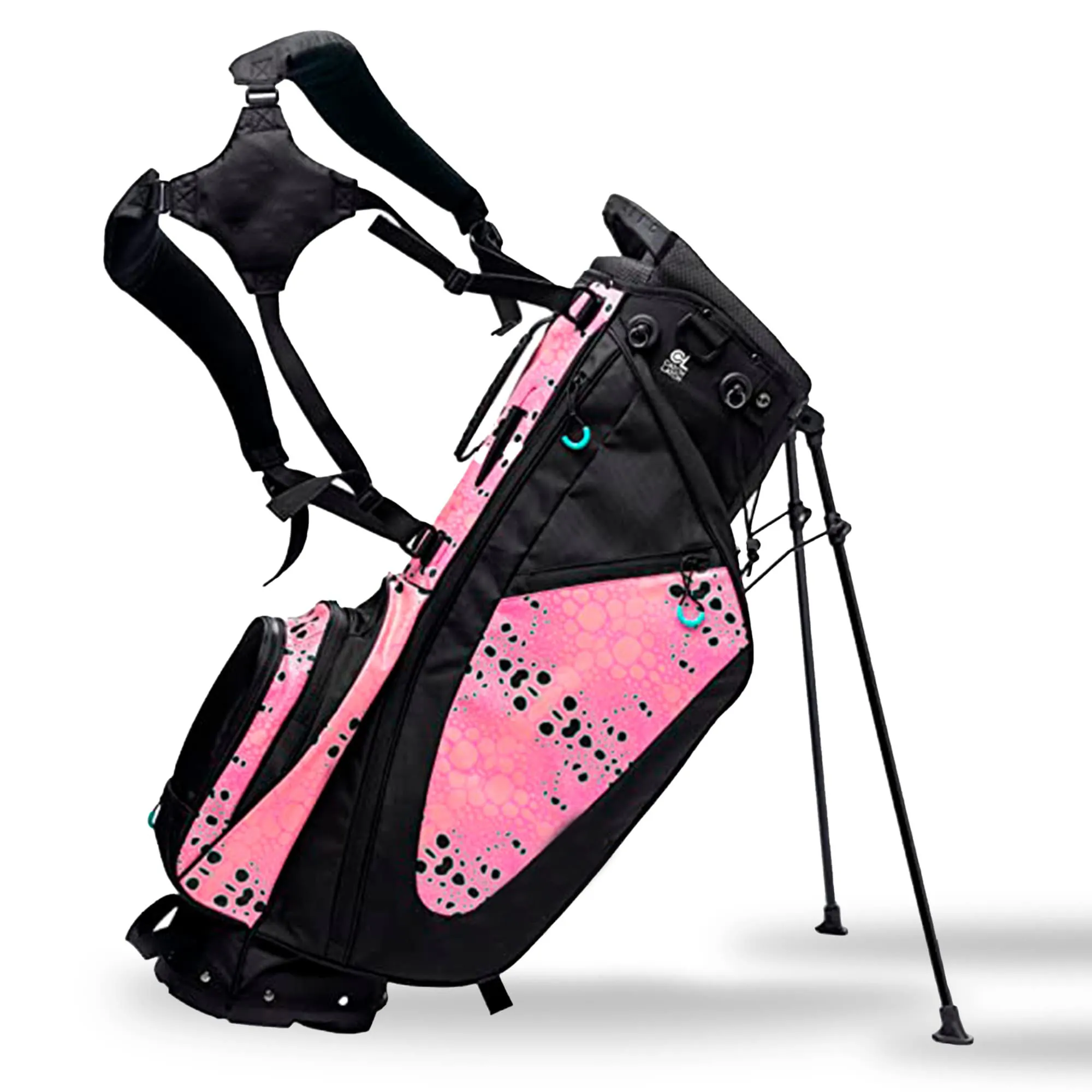
When a buyer needs to hit a strict weight ceiling — say an airline-friendly travel bag — the fastest wins come from the unexposed materials. The interior lining is a plain light-weight grade that nobody sees, so dropping it from a mid plain weave to a light 150-210D grade saves real grams. The divider padding can be slimmed where structural, and the shell zoned so the lightest grade sits above the waist while heavy reinforcement concentrates at the base and hinge. Each of these is a material line in the BOM, and together they free more weight than chasing a marginally lighter shell alone.
The limiting factor is always the failure test. A bag that hits a light target but fails the strap-anchor load test or the packed drop test is not cheaper — it is a warranty liability. So weight engineering must run in parallel with the test plan: define the packed drop height, the anchor load, the zipper cycle, and the abrasion method before you start shaving grams, then confirm the lightest build still passes. This is where the material families and the QC plan become one conversation, and where a seasoned factory earns its fee — by finding the lightest build that still clears the drop and load gates for your segment.
Durability and cost: nylon vs polyester vs PU side by side
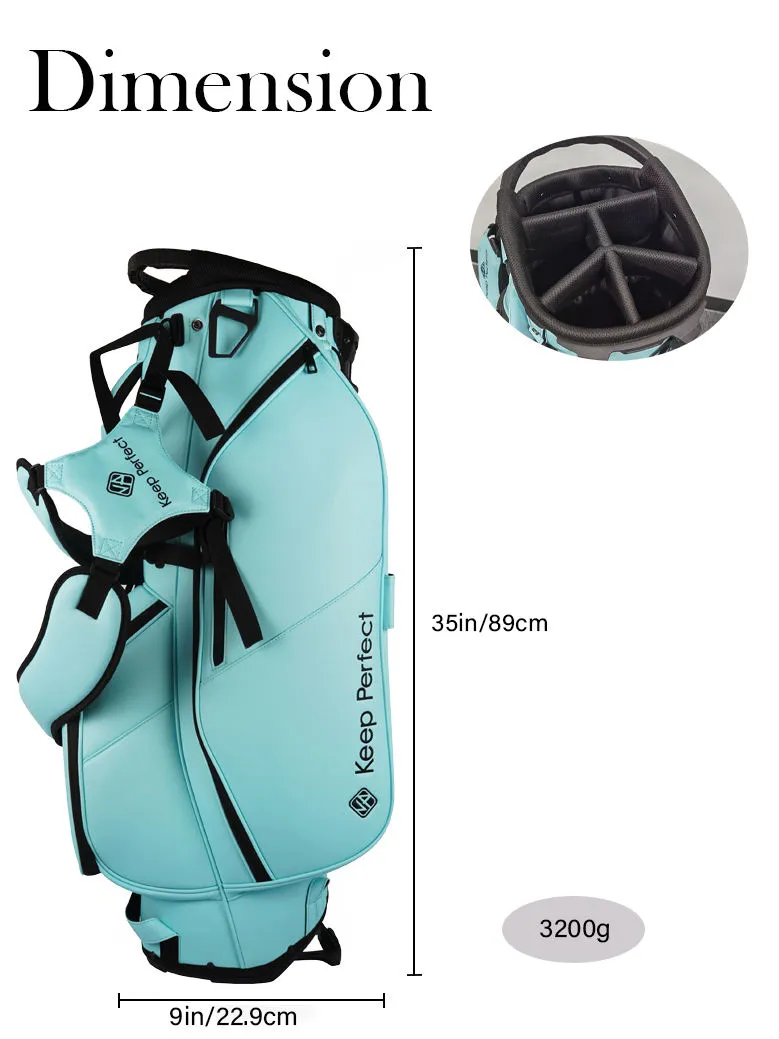
When the three families are stripped to the numbers, the honest comparison is about tear data, abrasion, and price per metre rather than marketing adjectives. As a rough yardstick from our production records, a 600D polyester Oxford runs lower in cost per metre than a comparable 600D nylon by roughly 10-20%, but nylon typically posts higher tear resistance on the tongue-tear test at the same GSM because the yarn is stronger per filament. PU synthetic leather sits at the premium end on price and reads most "expensive" to the touch, yet it is the weakest of the three in flex endurance and should never carry the abrasion load of a base or leg panel.
The practical rule we brief buyers with is to let the shell chemistry follow the job: on a carry-heavy line where a bag is thrown in a trunk and lifted daily, nylon's tear margin matters; on a price-driven retail program with a stable colour story, polyester delivers consistent dye lots at volume; on a "premium" shelf product, PU trim earns its cost. Tear strength and abrasion should be written into the BOM as explicit targets, not vibes, and confirmed by a tongue-tear and a Martindale or Taber abrasion run on the production fabric. Only then does the nylon/polyester/PU debate stop being a guess.
Sustainability, coating and compliance specs buyers now ask for
Modern B2B buyers increasingly brief sustainability and compliance into the material spec, and the data matters as much here as the GSM. Dope-dyed (solution-dyed) nylon and polyester carry colour through the fibre, saving dye-house water and washing out slower, so a dope-dyed shell has both a marketing story and a longer colour life — a real advantage on a shell that sits in direct sun on the practice range for seasons. Water-based PU and TPU coatings without solvent carriers lower the VOC profile of a panel, which is a differentiator for EU and Japan retail programs that audit against REACH or Prop 65 restricted lists.
On the paperwork side, ask your supplier for a third-party test report that names the restricted substances the bag actually touches — heavies in hardware plating, phthalates in any PVC trim, and formaldehyde on coated panels. At QUANZHOU JUNYUAN BAGS we keep these audit trails for the trade company's export footprint (12 years of export experience) and can reproduce a compliance file per line. A material that is cheap but fails a restricted-substance test is not cheap at all once a container is held at customs, which is why the smartest buyers lock the compliance spec into the tech pack at the same time they lock the denier and the GSM.
Sampling and QC for a mixed-material engineering review
Because a mixed-material stand bag has many interfaces, sampling should verify more than the look. On the pre-production sample, confirm each panel's GSM and coating against the data sheet, check the PU-to-fabric joins for edge lift, run a flex test at the hinge to catch delamination, and weigh the finished bag against the target with a recorded tolerance. Inline inspection should hold the GSM and the join methods to the sample, and a first-article inspection on run one checks the BOM is being followed panel by panel across the line.
Our programme runs on the standard window: MOQ 200 pieces (100 for a test order), sampling 10-20 days, and bulk production 45-60 days. For a first mixed-material design we strongly recommend the evaluation-sample route — even 20-30 units — so you can weigh the real bag, photograph the lockup, approve the tonal pairing of the trim, and run the durability gates before committing to a container. That pilot turns the material engineering review into numbers you can defend to your retail buyers, and it is the cheapest insurance a BOM-driven line can buy.
Recommended Internal Links
- Products (Stand Bag Architectures)
- OEM/ODM Service
- Factory & QC
- Golf Stand Bag Buying Guide
- Complete Materials Guide
- Lightweight Materials for Travelers
Two closing notes for buyers doing material engineering. First, quote from a BOM, not from a single fabric — the shell is only a slice of the bag, and the real levers are the stand hardware, the dividers, and the unexposed lining. Second, read fabric data sheets to the GSM and the coating, and weigh the production panel rather than trusting the sheet. Reach us at service@junyuanbags.com or +86 17750020688, and we will return a line-item BOM and a weighed sample for your nylon / PU / polyester mix.
Final note — engineer the mix, not the adjective
The brands that build stand bag lines that don't come back are the ones that treat materials as engineering — a budget of grams and dollars allocated zone by zone, validated by a data sheet and a weighed sample, and kept honest by a test plan. Nylon, PU leather and polyester each earn a place in that budget once you stop choosing one and start allocating all three. Read the numbers, map the joins, run the gates, and your next purchase order will ship stronger and lighter than the catalogue it replaced.
FAQ
What does GSM mean when specifying a stand bag material?
GSM is grams per square meter — the fabric weight. A 600D polyester typically measures 250-320 gsm depending on weave and coating; TPU lamination adds roughly 60-120 gsm. GSM is the number that actually controls panel weight, more than the denier label.
Which components of a stand bag use which material?
The shell uses the primary fabric; the base and leg panel move to a heavier coated grade; PU leather is used for the branding patch, top collar and pocket faces; the interior lining is a light plain weave; and straps, webbing and hardware are separate non-fabric items. The mix is a budget allocation.
How is weight allocated across a lightweight stand bag?
On a 4-5 lb travel stand bag the shell typically accounts for 15-25% of the weight, the stand and base hardware 20-30%, dividers and padding 15-20%, and straps, pockets, zippers and branding the rest. Cut shell grams and unexposed lining to hit an aggressive target.
How do panel joins affect a mixed-material stand bag?
Joins between a coated shell and PU leather need a bound seam or piping to hold cleanly, and coated panels need the film shielded at the sewing line to prevent delamination. Specify the join method per interface in the tech pack rather than leaving it to the sewer.
Why does denier alone not tell me about material quality?
Denier is only the yarn thickness; two 600D fabrics can differ hugely in GSM, weave density, finish and coating. A complete spec names denier, weave, GSM, finish and coating together, and validates them on the production sample.
How do I read a fabric data sheet from a supplier?
Check the fibre, denier, weave, GSM, finish, coating type and water column (if waterproof). Confirm the coating is specified in mm and the finishes are stated on the sheet. A sheet that only lists denier and a colour is incomplete for bulk QC.
Request a B2B quote for golf stand bags
Send your target market, expected MOQ, and reference photos. We respond within 24 hours with a sampling plan.