For a B2B buyer ordering golf stand bags in bulk, the decisive control is not picking a nice shade but locking a measurable color system — a delta-E tolerance of 1.0-1.5 against a sealed master, a per-material lab dip, and a frozen dye-lot — because a 10,000-unit run that drifts tone by even 2-3% across panels erodes your brand at retail faster than any construction flaw will. This guide gives brand teams and distributors a repeatable colorway planning method, the exact matching and tolerance parameters our SGS-verified Quanzhou factory (4,950 sqm, 7 lines, 149 machines, 137 staff) holds across bulk runs, and the inspection gates that keep a reorder identical to the sample you approved. For brands that want a fully customized silhouette — structure, dividers, pockets and hardware — our custom golf bag factory team specializes in OEM/ODM programs.
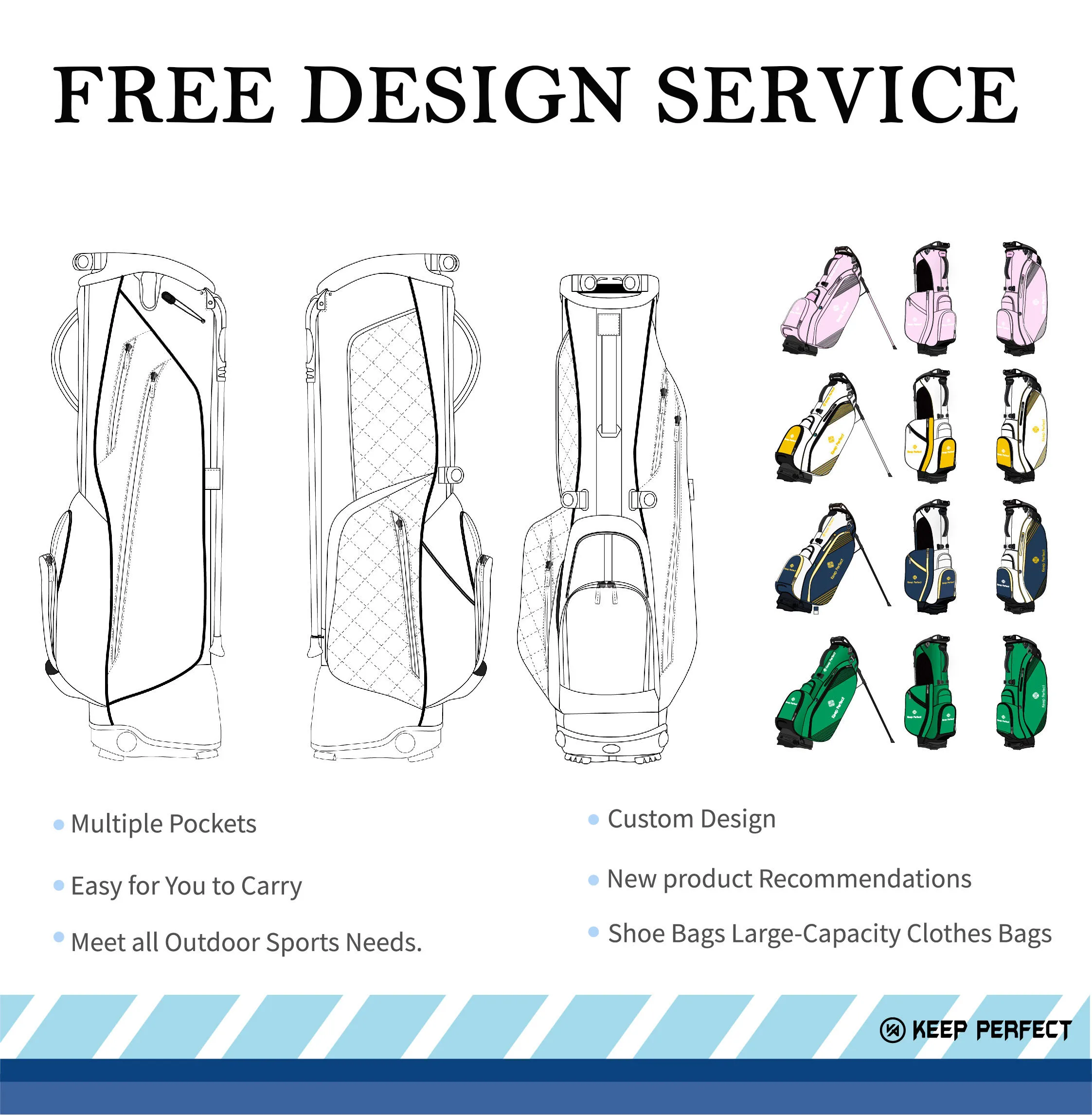
What a colorway actually is in production, not on screen
On a design mock-up, a colorway is a flat swatch. In a fabric factory, a colorway is a chain of materials that each absorb dye differently: the shell nylon or polyester, the PU coating or laminate backing, the lining, the zipper tape, the webbing, the drawcord, the embroidery thread, and even the velcro loop. Every one of those components takes the dye at a different depth, which is why the same Pantone code can look mismatched once the bag is assembled. A plan that only specifies color by name or by screenshot is not a plan at all; it is a gamble that the coating, the thread, and the tape happen to land close enough.
The production reality is that color lives in dye lots. A fabric roll has a dye-lot code, and rolls from two different dye lots of the same nominal shade can differ by more than you can tolerate on the front panel of a premium bag. The same is true for thread and zipper tape. So the first discipline of bulk colorway planning is to treat color as a set of approved physical chips per material, not as one digital value. When we plan a colorway at our affiliated plant, we build a small chip board: one chip for the shell in 600D nylon, one for the PU-coated accent, one for the lining, one for the zipper tape, and one for the embroidery thread. The buyer approves the board, and the board becomes the reference the QC line measures against, not a photograph on a laptop.
Keep in mind that a stand bag is photographed from every side in retail — the front panel, the sides with the dual strap, the top divider, and the interior. If the body colorway is stable but the zipper pulls or the webbing are off by even one step, the mismatch shows in the second product photo your e-commerce team uploads. Color governance therefore has to span the whole bill of materials, which is exactly why the strongest programs are the ones that approve a full material chip board and freeze it before sampling begins.
Key Takeaways before you brief the factory
- Set a delta-E (DE2000) tolerance of 1.0-1.5 for shell panels against a sealed master
- Approve a lab dip and a physical color chip per material, never just a screenshot
- Freeze a dye-lot and a sealed master unit so reorders match the approved sample
- Budget a test order of 100 units for saturates, pastels, and neon accents
- Verify color in daylight 5000K, not under a shop or office LED
Why delta-E is the number that protects your brand color
Delta-E measures the mathematical distance between two colors in a way the human eye can judge consistently. The standard used in fabric and textile quality control is CIEDE2000, usually written DE2000. A delta-E below 1.0 is essentially invisible to the naked eye; between 1.0 and 2.0 a trained eye starts to notice on adjacent panels; above 2.0 a mismatch becomes visible to a normal shopper, and above 3.0 it reads clearly as a quality defect in product photography. For a golf stand bag, we recommend you set a delta-E of 1.0-1.5 for the main shell colorway, up to 2.0 for trims like zipper pulls and closures, and 2.5 for embroidery thread, which naturally varies more because the dye absorbs differently into twisted strands.
Why does this matter in bulk? Because the human eye drifts, the lighting drifts, and the QC inspector at the factory will interpret "close enough" differently from your designer 8,000 km away. A numeric delta-E target removes the argument. When we run a color batch at our affiliated plant, the QC line measures the first article and spot-checked units against the approved chip with a spectrophotometer, and a unit fails the gate if the reading exceeds the agreed delta-E. That single number collapses a whole class of supplier disputes: instead of "this blue looks wrong," the discussion becomes "this batch measured a delta-E of 1.8 against the approved 1.2 target, so it ships back to the dye house."
There is a practical caveat. Delta-E is measured against one chosen reference, so you must name the reference clearly. The approved physical master chip is the reference, not the brand's Pantone book value on its own, because no fabric reproduces the Pantone book swatch exactly. Set the tolerance against the approved production chip, and keep a sealed copy of that chip with the factory and one with your own team. On every reorder, the frozen master, not a memory of the color, is what the spectrophotometer measures against.
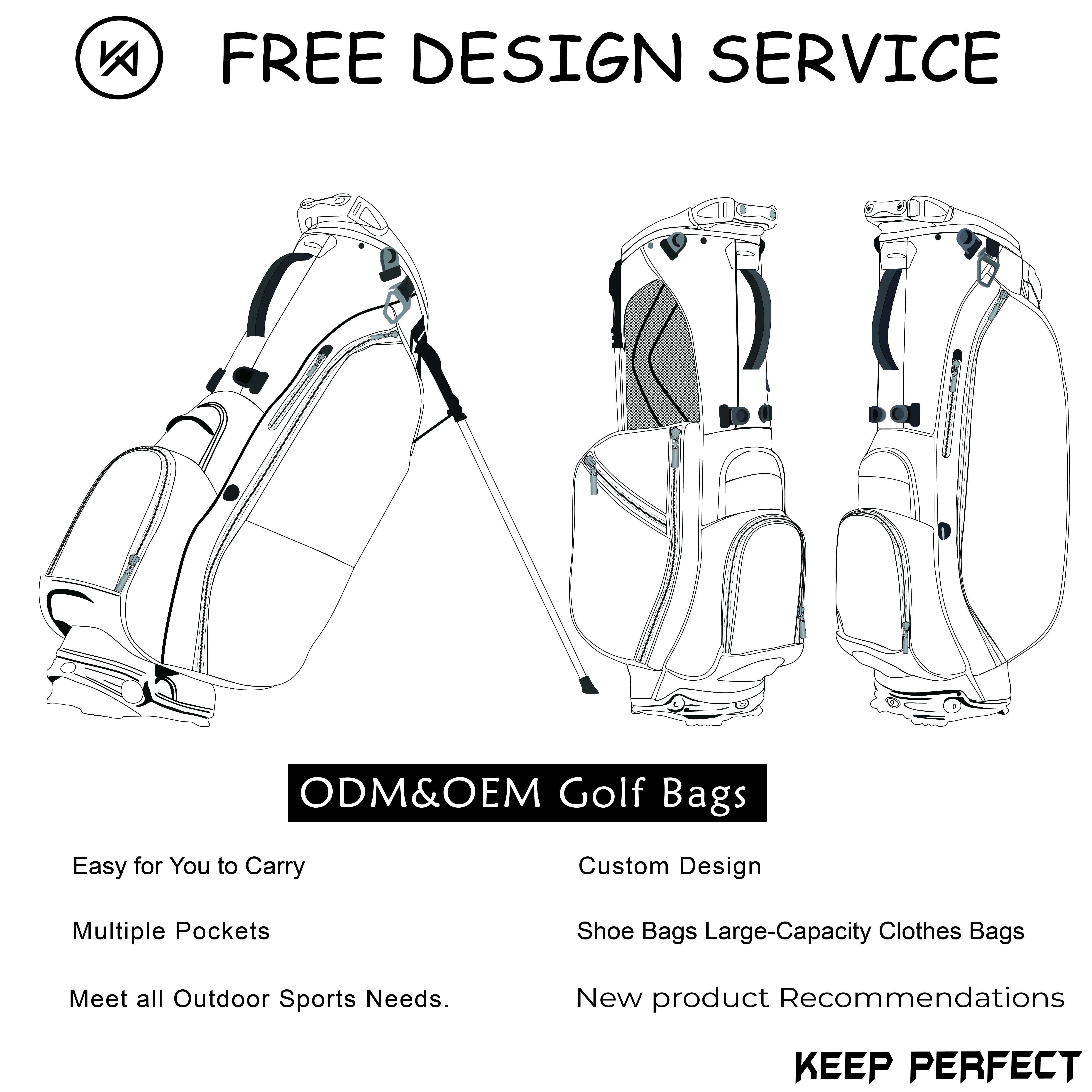
The colorway planning workflow, step by step
Seasoned buyers follow a fixed sequence, and the sequence protects them from the most expensive failure mode: locking a colorway on a sample fabric that is not the production fabric. Here is the workflow we recommend and apply at QUANZHOU JUNYUAN BAGS.
Step one is to define the color system at the brand level before any fabric is ordered. List every color in your program — shell shades, accent shades, lining, hardware finish, thread colors — and give each a Pantone reference and a name. Do not allow the team to substitute a "similar" shade mid-project, because a small substitution on one component is how a cohesive colorway turns into a patchwork.
Step two is lab dips. A lab dip is a small physical swatch of the actual production fabric dyed to your target shade. It is the fastest and cheapest gate because you are checking the dye on the real material, not on a coated card. Always request a lab dip on the shell fabric and on the PU-coated or laminated accent, because those two will react to the same dye batch differently. Budget roughly two lab-dip rounds when you are matching a difficult brand color; bright saturated shades and light pastels often take a second attempt.
Step three is the full material chip board. Once the lab dips are approved, assemble the complete board — shell, coating, lining, tape, webbing, thread, and zipper — and approve it in daylight. This is your master reference. Lock it numerically (delta-E) and physically (sealed chips). From this point, every sample and every bulk unit measures against it.
Step four is pre-production color verification. The PPS sample must be built from the approved dye lots, and the first article of the bulk run is measured before any cutting beyond the first unit, so a dye error is caught before it repeats across a whole line. Finally, freeze the master on reorders: a sealed master unit plus a color-sealed chip per color means your second season is repeatable against your first, which is the entire point of color governance in a long-running brand program.
Batch tolerances that decide whether a run passes
Bulk production is never a single dye event; it is multiple rolls, multiple dye lots, and multiple compounding variables, so a tolerance budget has to be explicit. Every parameter below belongs in your tech pack or your purchase order, because without them QC becomes a subjective conversation at the end of a run rather than a gate you enforce at the start.
| Parameter | Recommended Tolerance | Buyer QC Note |
|---|---|---|
| Shell color vs sealed master | Delta-E ≤ 1.0-1.5 (DE2000) | Measure with a spectrophotometer in daylight 5000K. |
| Trim / zipper tape color | Delta-E ≤ 2.0 | Approve each trim material's chip separately. |
| Embroidery thread color | Delta-E ≤ 2.5 | Thread absorbs dye differently; set a looser gate. |
| Lateral dye-lot variation | ≤ 3.0 ladder rating per roll | Detect edge-to-center dye streaks before cutting. |
| Panel-to-panel match on one bag | ≤ 0.5 delta-E between adjacent panels | Adjacent front/lid panels must sit visually identical. |
| Colorfastness to light | ≥ Grade 3-4 (ISO 105-B02, 20h) | Fading across 20 hours must be minimal for retail. |
| Colorfastness to rubbing | ≥ Grade 4 dry, Grade 3-4 wet | Wet crocking on dark colors is the common failure. |
| Dye-lot traceability | LOT code on every roll + bag-level record | A reorder must reference the frozen master's lot code. |
The row that catches most suppliers off-guard is colorfastness to rubbing, called crocking. On deep navy or black polyester, a low wet-crocking grade means the color rubs off onto a white towel or a user's shirt in damp conditions. A bag can pass every delta-E check and still fail at retail because color transfer stains the jersey of the golfer carrying it. Add the crocking gate to your test plan explicitly; request Grade 4 dry and Grade 3-4 wet as a starting point, and confirm the factory runs this test rather than skipping it.
Which colorways are safe to bulk, and which need a trial
Not every color carries the same production risk, and planning a season's colorway palette should start from a risk map. Dyeable mainstream shades — black, navy, charcoal, deep green, heather grey, and white — are the most stable because the dye houses run them constantly, the dye lots are consistent, and the suppliers keep inventory in these shades. These are the safest choices for a first bulk order and for a program where you need reliable reorders without re-approval friction.
At the other end are the risky shades: light pastels, very bright saturated colors, metallics, and neon accents. Pastels expose any dye-lot drift because the paleness is where tone errors are most visible to the eye. Bright saturates and neons are touched up heavily at the dye stage, which chips under UV and shows crocking fast. For these, budget a trial — an order of roughly 100 units (our test-order floor) on the exact production fabric, put it through light-fastness and wet-crocking, and only a green result unlocks the full batch. This test gate is inexpensive compared to the cost of a 10,000-unit run that gets rejected in the container because a neon accent washed into a different tone.
White deserves a special warning because it is technically a dye result, not an absence of color. A white shell will yellow under light unless you specify an optical brightener and a lightfast gate, and a "warm white" versus "cool white" disagreement on screen is common. Lock the white to a Pantone reference, approve a physical chip on the actual white fabric, and set the lightfastness target so the retail photo you shot in March still matches the bag that ships in June.
Cross-material matching and why one master panel is not enough
New buyers frequently approve a single master panel and assume every component follows. In production they do not. Mesh and solid 600D nylon from the same dye batch will not read the same; a PU-coated panel takes the color with a slightly different gloss and depth; webbing is woven loosely and dyes lighter; embroidery thread is twisted and reads darker; and zipper tape has its own coating. If you approve only the shell, you will discover the mismatch on the finished bag, which is the most expensive time to catch it.
The fix is a material-by-material approval. When you brief the factory, request a chip per material group and approve each in daylight before sampling. On a stand bag, the groups that most often fight the shell are the zipper tape and the accent webbing, because both are visible close to the front logo where photos are taken. Ask the factory to show you those two materials against the shell chip, not alone. A dropdown of how the full colorway works together saves a return trip and keeps the program on its sampling schedule of 10-20 days.
There is also a finish dimension to matching. A matte shell with a glossy PU accent is a deliberate design, but it changes how the two panels read on camera and under course light. If the design intent is tonal cohesion, specify the same finish; if the intent is contrast, say so explicitly in the tech pack so the factory does not "fix" the contrast by glossing the matte panel. Finish is a spec, the same way delta-E is a spec, and leaving it open is how colorway plans drift.
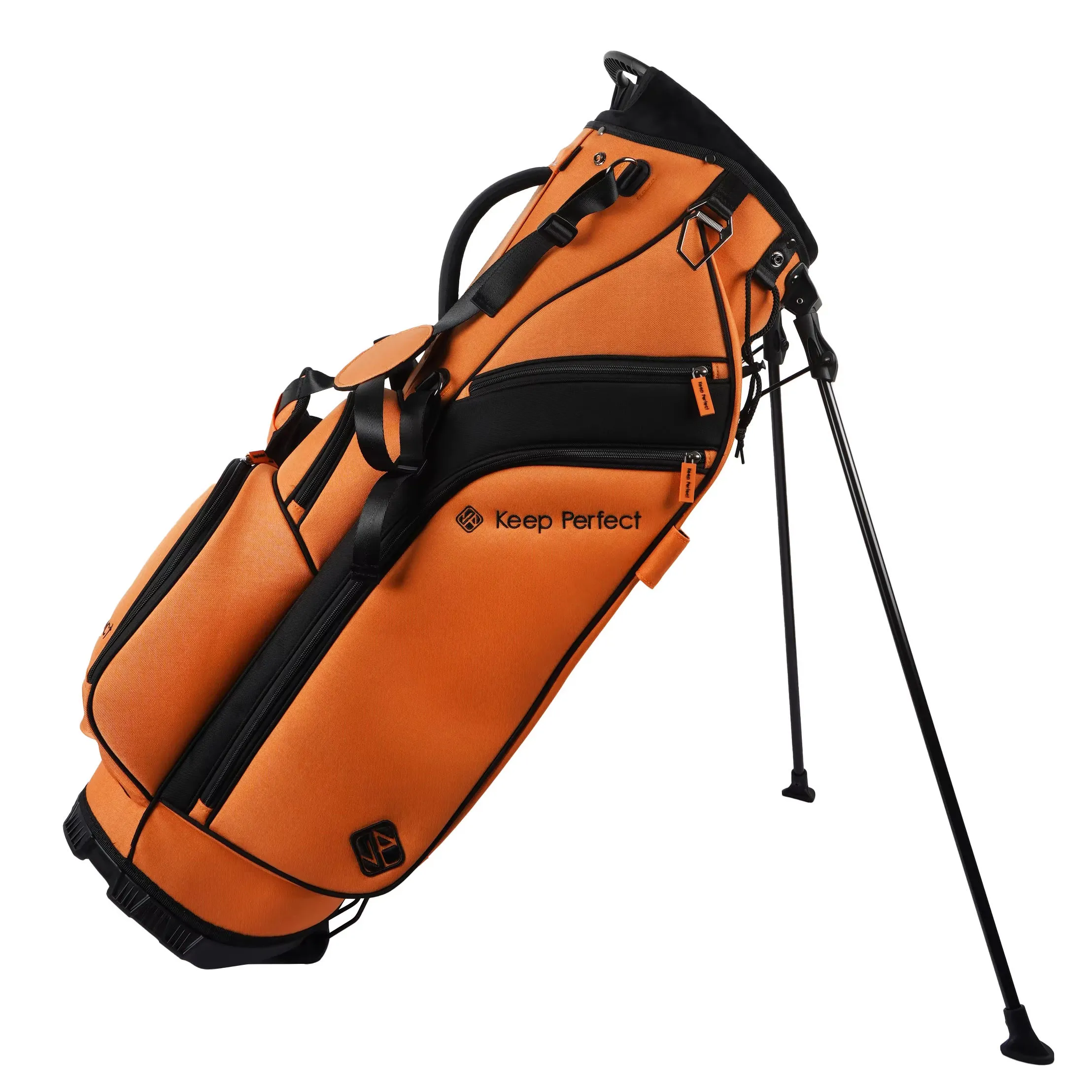
The inspection and acceptance gates in bulk
A colorway plan only has value if it is enforced at the gate. Define four inspection points and assign a pass/fail to each before your purchase order, so that a dye problem is caught at the earliest, cheapest stage rather than at the container.
The first gate is the lab-dip gate, before any cutting. Verify each material's chip against your brand reference and approve it numerically. The second is pre-production: build the PPS from the approved dye lots and confirm the assembled bag matches the chip board in daylight, especially across adjacent panels. The third is first-article inline inspection during bulk: the first unit off each of the seven production lines is measured against the master before that line continues, which stops a dye error from replicating across the entire run. The fourth is final random inspection against AQL sampling, capturing color print readings, crocking results, and a photographed retention sample.
On finished goods, use a standard AQL sampling plan — a typical starting point is AQL 2.5 for majors, with color treated as a major defect category so a panel mismatch counts against acceptance rather than being waved through as a cosmetic "improvable" issue. Keep every gate recorded: the measured delta-E, the lot codes, the inspector's name, and defect photographs. These records are what make a reorder consistent, and they are what protect you if a bulk batch is disputed months later. The inspection record is the legal memory of the colorway plan.
Colorways that survive photography and course conditions
A colorway that passes every factory gate can still fail at retail if it was planned without considering how it will be shot and worn. Think about the two lives of a golf stand bag: the studio/e-commerce life where saturated, evenly lit panels look strong, and the course life where the same bag is compressed, rubbed against a cart, left in sunlight, and zipped in humid weather. A good colorway plan hedges both.
For e-commerce, verify that your shell colorway carries enough tonal contrast against the accent colors and the hardware so the logo and the bag silhouette read in a product thumbnail, not just in a full-size image. A black-on-navy colorway that looked sophisticated in the design file can disappear in a small thumbnail. Add a tonal-brightness check as part of your colorway review — if the logo and shell are within one tonal step, the retail photo will flatten it.
For the course, prioritize lightfastness and wet-crocking on the shades most exposed to sun and moisture. The front panel, the top lid, and the dual-strap web are the high-UV zones; make sure those carry the lightfast Grade 3-4 target. If your program runs summer colors, add a note about the ironing and cleaning that end users perform — a bag that read colorfast in the lab can still transfer dye if the user irons a wet logo patch or uses harsh detergent, so include a simple care-label instruction that protects the colorway in the field.
Workbook: build the colorway before the RFQ
Use the following fields to collect the full colorway system before you send a request for quotation. Completing this worksheet is what separates a fast, accurate quote from a multi-round guessing match, and it is the fastest route to locking the measurable targets the factory needs.
| Requirement | Your Target | Notes / Measurement |
|---|---|---|
| Shell colorway & Pantone ref | Name + Pantone for each shell shade. | |
| Accent / coating finish | Matte or gloss; PU-coated or laminate. | |
| Delta-E tolerance (shell) | Target 1.0-1.5; name the reference master. | |
| Trim color (tape / webbing) | Separate chip per trim material. | |
| Thread color | Pantone per embroidery thread color. | |
| Lining color | Chosen to resist visible dirt transfer. | |
| Colorfastness target | Light ≥3-4; wet crocking ≥3-4. | |
| Test order authorization | 100-unit trial approved for risky shades? |
Fill this out and you have converted a vague color idea into a measurable system. The factory can quote accurately on the delta-E target, confirm which shades need a trial, and schedule the lab-dip rounds into the sampling plan before you lock a lead time. That is the practical difference between a colorway that causes disputes and a colorway that ships clean.
Recommended Internal Links
- Products (Stand Bag Architectures)
- OEM/ODM Service
- Factory & QC
- Golf Stand Bag Buying Guide
- Stand Bag Materials Guide
FAQ
How do I get a colorway approved against my brand color standards?
Start with a lab dip or a physical color chip produced by the factory, compare it to your Pantone or brand reference in daylight 5000K, and set a delta-E (DE2000) limit of 1.0-1.5 against the approved master so the bulk batch can be measured objectively instead of eyeballed.
Why do two production runs of the same colorway look different?
Color shifts come from dye-lot variation in the fabric roll, different polyester or nylon dye lots, heat-sealing temperature changes, and thread or trims sourced from a different lot. Locking a sealed master, a frozen dye-lot, and a delta-E tolerance on each reorder closes most of that gap.
What is delta-E and what tolerance should I set?
Delta-E (DE2000) is the measured color difference between two samples; a value below 1.0 is nearly invisible to the naked eye. For shell panels set a delta-E of 1.0-1.5, for zipper pulls and trims up to 2.0, and for embroidery thread up to 2.5.
What is a lab dip and why do I need one?
A lab dip is a small physical swatch of the exact production fabric dyed to your target shade. It is cheaper and faster than a full sample and is the first objective gate against your brand color, before any stand bag is cut or sewn.
What causes color to drift across panels on the same bag?
Different fabrics dye to different depths: a 600D nylon panel, a PU-coated panel, and a mesh pocket each absorb dye differently even from the same Pantone code. You must approve each material's color chip separately, not one master panel.
Which colorways are safest for a first bulk order?
Dyeable mainstream shades such as black, navy, charcoal, deep green, and white carry the widest dye-lot stability. Very light pastels, bright saturated logos, and neon accents are the riskiest and require a trial run or a test order of 100 units first.
Do you support matched colorways across a full stand bag program?
Yes. At QUANZHOU JUNYUAN BAGS we co-manage the colorway plan across shell, linings, zipper tape, trims, and embroidery thread, and we can approve a test order of 100 units before your main batch to lock the color system.
Request a B2B quote for golf stand bags
Send your target market, expected MOQ, and reference photos. We respond within 24 hours with a sampling plan.