Practice golfers can also browse our range and simulator golf bags — For traveling golfers, the best stand bag is a genuinely light one — an engineered 3.0–4.2 lb build whose weight saving comes from the body and non-wear panels, while the stand hinge, base, strap anchors, and bottom wear panel hold full durability and still pass the stand, strap, zipper, and drop tests. This B2B guide turns "lightweight for travel" into measurable specs our affiliated Quanzhou factory (SGS-verified, 4,950 sqm, 7 lines, 149 machines, 137 staff) builds, so a buyer can source a light line that lifts easy and survives the road.
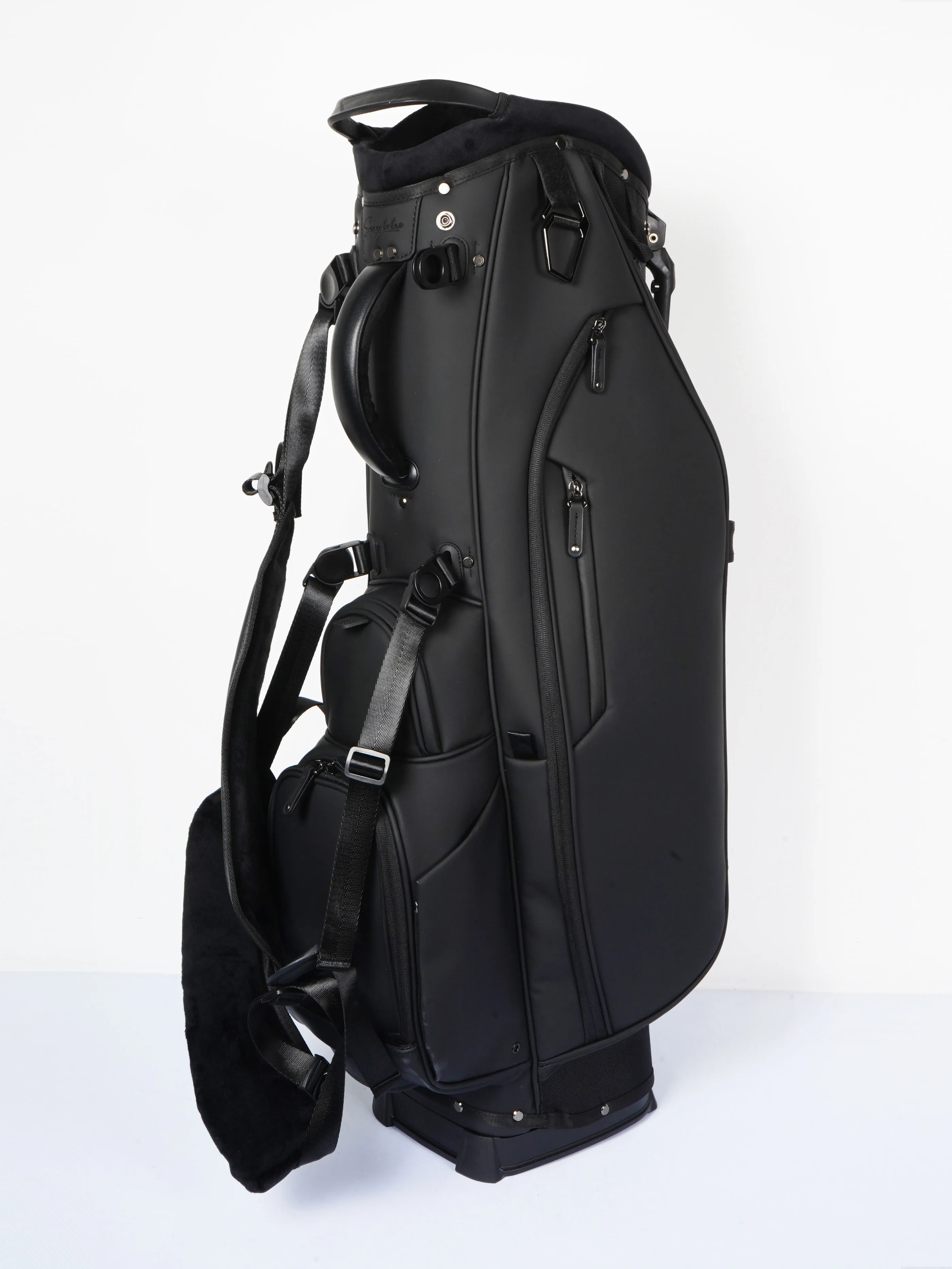
From a factory build standpoint, our dedicated ultralight stand bags page walks through the materials, hardware, and quality checks in detail.
Key Takeaways
- Lightweight is an engineering distribution of weight, not a thinning of the whole bag; the light feel comes from the right panels.
- A weight target with a documented tolerance keeps the "lightest" story honest and reproducible on every run.
- The stand hinge and strap anchors are fatigue-tested so aggressive weight reduction does not become a failure point.
- Travel pocket logic keeps documents, valuables, and a rangefinder secure and quick from the same light build.
Where the weight saving actually comes from
A truly lightweight travel bag is not a standard bag with less stuffing; it is a bag where the weight budget is spent deliberately. The saving comes from a lighter shell on the body and non-wear panels, a reduced lining, lighter hardware and buckles, and a trimmed pocket construction — while the stressed parts stay built and tested the same because travel handling guarantees they will be used hard.
The result is a bag that feels meaningfully light at every lift — into the trunk, onto a trolley, out of a rental car — yet still stands level, carries evenly, and resists a season of road use. Confirming exactly where the weight was removed and where it was kept is the difference between a genuinely light bag and a fragile one, and it is why the weight target is written with a tolerance and verified at mid-production.
For the buyer this is the crux of the product story. A light bag that fails on the stand or the strap returns and damages the reputation; a light bag whose saving is genuinely in the body performs and earns repeat purchase. When the tech pack names the saving panels and the kept panels, the buyer can source a light that is also dependable.
The light-but-fatigue-tested stand and strap
The stand is where "lightweight" most often goes wrong, because saving meat from the hinge block or the legs is the easy way to shave ounces — and the easy way to a wobbly, failing bag. A lightweight travel bag instead keeps a reinforced hinge block, stable base geometry, and consistent leg spread, tested with a stand deployment cycle and a base stability check so aggressive weight reduction never becomes the weak link under constant packing and setting down. A stable stand also keeps the bag upright in mud and on slopes, which is exactly where a wobbly lightweight line gets abandoned mid-round.
The strap anchors deserve the same discipline. A light harness made of fine materials is comfortable, but its anchors take the full static load of a packed bag and must pass a strap anchor load test with a clear stitch failure criteria. We confirm the padding, the adjust range, and the anchor reinforcement at the sample so the light harness carries a heavy travel load without strain.
For the buyer this fatigue engineering is the honest difference between a fragile ultralight and a real one. Presenting the deployment-cycle and strap-anchor results alongside the weight proves the bag is light because it is engineered that way, not light because it is cheap. That is a confidence signal a retail or wholesale buyer can stand behind.
Travel pocket logic that stays light
Lightweight does not mean few pockets; it means the right pockets used well. A light travel bag packs a secure valuables pocket for documents and phone, a quick-access pocket near the top for balls and tees, and an apparel pocket for a packed layer — arranged so the traveler reaches what they need fast and carries nothing extra. Keeping the pocket count controlled actually supports the light goal, because fewer over-engineered pockets mean less fabric, less hardware, and less QC variance.
The same discipline applies to construction. A light bag gains its portability partly from simpler, cleaner sewing and fewer heavy trims, which is also faster and more repeatable on the line. Confirming the pocket list at the sample protects the traveler from a bag that looks organized in the sketch but shifts weight or bulges when actually loaded.
For the buyer, consistent pocket naming across the travel line reduces returns caused by mismatched expectations. A customer who reads "valuables pocket, rangefinder pocket, apparel pocket" should find exactly those, in the same places, on every SKU — which is the kind of predictability that makes a light travel line easy to sell and easy to trust.
Airline and road handling readiness
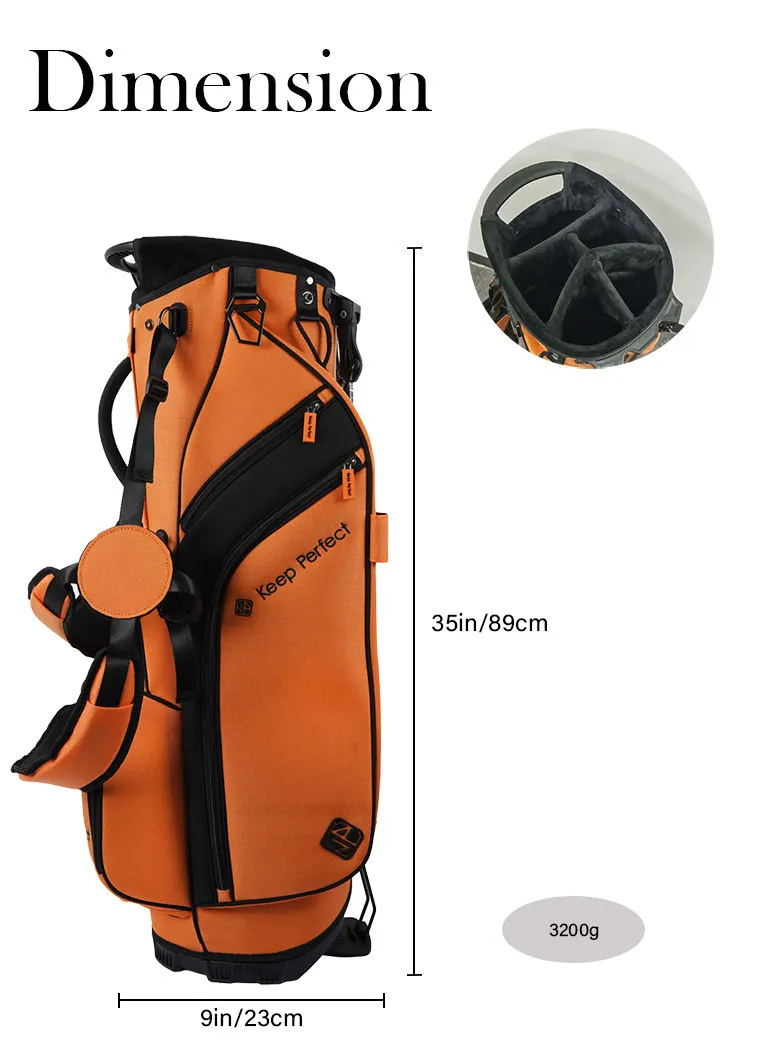
A light travel bag is still handed over to baggage systems, stacked in trunks, and bounced on trolleys, so it must be built for the handling rather than only the carry. We reinforce the top rim, base corners, and leg hinge impact zones where the bag takes the hits, and we specify the packaging so the light product ships and travels protected. A bag that is light in weight and reinforced where it matters is a bag that arrives at the destination ready to play, and the base corners are the very spots inspectors check first on a returned unit.
Weight and packaging work together here. Because the bag itself is light, the packed weight stays low enough to keep shipping and baggage economies sane, and the buyer can keep the carton spec honest about the real impact points. Confirming the carton spec, protective inserts, and accessory placement at the sample protects the light product from the damage that haunts travel goods.
For the buyer, airline-readiness is part of the lightweight value story. The customer does not just want light; they want light and safe through the worst handling. A reinforced-impact lightweight bag that is described, tested, and written into the spec is the version that keeps its owner flying with it rather than renting on arrival.
Weight, the numbers, and honest claims
A lightweight line stands on honest numbers. The buyer should set a target weight — for a light carry model, typically 3.0-4.2 lb — with a documented tolerance, and verify it at mid-production and against the same build that passes all the fatigue and drop tests. The "lightest" positioning only works when the weight is real and the durability is proven, so the spec ties the two together rather than letting one float.
The honesty extends to how the light is achieved. When the tech pack says which panels are lighter and which stay reinforced, the buyer can tell the customer exactly why the bag feels light and still holds up — and can defend the number against a competitor's unverified claim. A documented weight plus a documented test result is a story the sales team can repeat with confidence.
For the buyer this is margin protection. A weight that drifts heavier across runs quietly erodes the lightweight promise and the premium it supports, so locking the tolerance and re-measuring at each run keeps the product honest season after season. The discipline of the number is what makes the lightweight line a stable commercial asset.
Lightweight travel stand bag spec table
Use this as the internal baseline for a lightweight travel line, then lock final numbers after sampling and a weight-re-measure check.
| Travel Block | Target Spec | Sourcing Notes |
|---|---|---|
| Weight | 3.0-4.2 lb (tolerance +-0.2) | Verified mid-production; re-measured per run. |
| Weight saving | Body/non-wear panels; reduced lining; light hardware | Name the saving panels; keep the stressed parts. |
| Stand | Reinforced hinge block + stability base geometry | Fatigue-tested; no weakening from weight reduction. |
| Strap | Light harness; padded, adjustable, anchored | Strap anchor load test with stitch failure criteria. |
| Pockets | Secure valuables, quick-access, apparel | Controlled count; consistent naming across SKUs. |
| Impact zones | Top rim, base corners, leg hinge reinforced | Survives airport and trunk handling. |
| MOQ / lead time | 200 pcs (100 pcs test); sample 10-20d, bulk 45-60d | Validate weight, fatigue, and packing before scaling. |
SKU, QC, and a lightweight brief
A travel-focused lightweight line works best as a small stack: one light carry model (4/5-way), one organizer model (14-way optional), and an optional waterproof version for rainy destinations. Each SKU links to a concrete product architecture and guides buyers into a quotation with clear targets, so the catalog stays tight and each build is easy to test and reorder.
The QC plan is standard-plus: drop test on the packed product, stand deployment cycle and base stability, strap anchor load test, zipper cycle and smoothness, and a weight re-measure to confirm the tolerance. Briefing the factory means writing the weight, the saving panels, the reinforcement locations, the pocket list, and the packing into one page. At QUANZHOU JUNYUAN BAGS we support OEM and ODM from our affiliated Quanzhou plant and confirm the weight and fatigue choices at sampling.
Reach us at service@junyuanbags.com or +86 17750020688. Confirm the weight with tolerance, the fatigue results on stand and straps, and the impact reinforcement, all in the inline inspection so the lightweight line reproduces light and durable on every run.
Material choices that do the light lifting
The light feel of a travel bag is decided at the material table as much as the drawing board. A lighter denier shell on the body and panels that do not take the wear, a reduced or breathable lining, lighter buckles and hardware, and simpler trims all add ounces of honest saving that the traveler feels at every lift. Each material choice is written into the bill of materials so the weight comes out of the right places on repeat runs.
The risk is saving weight in the panels that carry the load. The bottom wear panel, the impact corners, the stand hinge, and the strap anchors use denser material precisely because travel handling tests them hardest, so the light build keeps the heaviest-duty fabric where the bag needs it and the light fabric where comfort and total weight benefit. Reading that split in the tech pack is what tells a buyer whether a "light" line is engineered or just skimped, and it is the first question a factory should answer in the very first sample review.
We confirm the material map at the sample and again at mid-production, holding a physical reference, so the light build does not drift heavier or thinner between runs. A buyer who can show where the saving is and where the strength sits is a buyer who can defend the lightweight price point honestly against a competitor's unverifiable claim, and that honesty is exactly what a travel customer rewards with loyalty.
Balanced carry and the light harness
Light weight and drawn area of carry go hand in hand for a traveler. A genuinely light bag should also carry balanced, because a bag that feels light in the hand but pulls to one side over a round is still tiring. A dual-strap, self-balancing harness with contour-cut padding and an adjustable range fits a range of frames under travel layers, spreading the load at the shoulders rather than dropping it at the spine.
The harness balance is confirmed on a loaded sample, not an empty one, because a travel bag is carried full. We check that the loaded bag sits naturally, does not torque the shoulders, and lets a smaller or larger wearing the harness weigh quickly adjust, so the light shell translates into a comfortable carry rather than a merely light pickup. That comfort is a large part of why a traveler chooses a light line over a standard bag, and it is the detail that turns a single purchase into a recommendation to a playing partner.
For the buyer, balanced carry pairs with the low weight as the two-part travel story: quick to lift and comfortable to carry. Writing both the weight and the harness balance into the spec gives sales a complete, concrete pitch and gives the player a bag that feels right from the driveway to the 18th green.
Selling the lightweight travel value
The lightweight travel line sells on a decision most stand on instinct: does it feel light enough to take on a trip? The merchandising story is strongest when the number is real. "3.0-4.2 lb, fatigue-tested stand, survives airport handling" is a claim the buyer can carry from the sheet to the customer because it is backed by a re-measured weight and written test results, supporting a clean premium over a generic travel bag.
The value story also rests on the one-bag promise. A traveler does not want a luggage-shaped bag and a separate course bag; they want one light bag that flies and plays. Leading the catalog with that single high-value low-confusion option, and linking each SKU to a concrete architecture and a quotation target, keeps the line tight, easy to explain, and easy for the factory to build and reorder.
Reach us at service@junyuanbags.com or +86 17750020688 to plan the lightweight travel season: confirm the MOQ of 200 pcs (100 pcs test order), sampling in 10-20 days, and bulk in 45-60 days, aligned to the pre-season and getaway windows. A light, fatigue-tested, comfortably balanced travel line is how a brand wins the golfer who picks up a bag before every big trip and keeps choosing that same light bag season after season.
QC discipline and reorder stability
The lightweight program lives on QC discipline because the whole promise is a number that can drift. Keep a physical weight reference, re-measure the weight with its tolerance at mid-production and each run, hold the material map and reinforcement locations in writing, and run the stand deployment, strap anchor, zipper, and drop tests against the same build that hit the weight target. Each is a repeatable checkpoint that keeps the light build identical on reorder.
Reorder stability matters most for a lightweight line because the second production run must feel and weigh the same or the brand loses trust in the number. Locking the material map, the reinforcement plan, and the color and weight references now, and confirming them at every run, is how the bag stays light and dependable season after season.
Reach us at service@junyuanbags.com or +86 17750020688 with your brief. We will send a sampling plan, confirm the weight and fatigue checks, and hold the light build to the same measurable standards as every line we ship. A light, fatigue-tested, comfortably balanced travel stand bag is how a brand wins the road golfer who packs a bag before every trip, and the same disciplined numbers are what keep that light promise stable across the whole season.
Lightweight in the full course round
A light travel bag has to earn its place on the course, not just at the airport, because the traveler uses it for the whole trip. The same low weight that eases the trunk lift keeps a walking round comfortable, and the dual-strap harness, level stand, and quick pocket access make it a genuine course companion. The light build does not change the course behavior; the reinforced stand and stable base keep it level on grass and cart paths exactly like a standard bag.
The pocket logic that organizes the trip also organizes the round. A quick-access ball and tee pocket near the top, a secure valuables pocket, and a rangefinder pocket keep the flow of access fast between shots, so the light shell never feels like a downgrade to someone who also walks a full eighteen with it and expects the bag to keep pace all day. Confirming the loaded balance and the purse loop at the sample keeps the one-bag promise honest.
For the buyer, course-readiness removes the last objection. A light bag that is a real course bag as well as a travel bag earns a place in regular use and repeat purchase, widening the occasions a customer buys for. That dual life is the strongest value a lightweight travel line offers, and it is fully captured by writing both the travel specs and the course behavior into one honest tech pack.
Color, labeling, and the light line story
Even a technical lightweight line needs a commercial finish. Clean colorways that look premium on a shelf or a product page, restrained trims that reinforce the light-engine performance, and clear labeling that names the weight and the travel features carry the story at the point of decision. A bright-accent low approach that signals performance helps the light line read as engineered rather than light-on-features.
We keep color and trims aligned with the light philosophy: fewer heavy trims, clean geometries, and a color master per colorway so the look reproduces exactly on reorder. Placing a small weight call-out and the key travel features on the label or hang card turns the product itself into the sales assistant, giving a customer the number and the proof without lifting the bag.
For the buyer, a well-finished light line supports both margin and identity. A light, performance-colored, clearly labeled travel bag is easy to stock, easy to sell, and easy for the player to trust, and its consistent finish makes the catalog feel intentional rather than scattered. The finish and the engineering together are what turn ounces of weight saving into a premium the market will pay for.
Related reading
- Compact & portable travel options
- How to select a bag for air travel
- OEM/ODM Service overview
- Factory & QC standards
- Golf Stand Bag Buying Guide
FAQ
How light can a golf stand bag be and still be durable?
A well-engineered lightweight carry bag lands at 3.0-4.2 lb, saving weight in the body and non-wear panels while the stand hinge, base, strap anchors, and bottom wear panel hold full durability. The weight can be low without becoming fragile when the saving is in the right places.
What makes a lightweight bag good for travel?
A low verified weight that is easy to carry and lift, materials that resist airport and trunk wear, a fatigue-tested stand that survives constant packing, and pack-friendly pockets. It needs to behave like a course bag even as it covers the road.
Is a lightweight bag as reliable as a standard one?
Yes when the weight is removed from the right panels. The stressed parts are built and tested the same, so a lightweight bag still passes the stand deployment, strap anchor, zipper, and drop tests. The light feel is an engineering outcome, not a durability trade-off.
What should I specify for a lightweight travel line?
A weight target with tolerance, the material and denier, reinforcement locations on the stand and strap anchors, the pocket list and access logic, the packed dimensions, and the QC tests. Writing these in one tech pack keeps the light build stable on reorders.
How does lightweight differ from compact for travel?
Lightweight prioritizes the lowest weight first, while compact prioritizes a smaller packed footprint. The best travel models do both, but if you have to choose, travelers who lift and carry a lot value the low weight first, and travelers in tight cases value the compact shape first.
Two closing notes for a buyer launching a lightweight travel line. First, engineer the weight: take the saving from the body and non-wear panels, and keep the fatigue-tested stand and strap anchors holding the durability bar. Second, prove the number: a documented weight with tolerance, plus the stand, strap, and drop results, turns "lightweight" from a claim into a fact your sales team can repeat. Reach us at service@junyuanbags.com or +86 17750020688 to begin.
Recommended internal links
Request a B2B quote for golf stand bags
Send your target market, expected MOQ, and reference photos. We respond within 24 hours with a sampling plan.